Table of Contents
- What the jersey weight changes
- Where a print actually fails
- Mesh count and how much ink lands
- What to look at on the folding table
- The wash nobody runs on the sample
- Where I would spend the extra hour
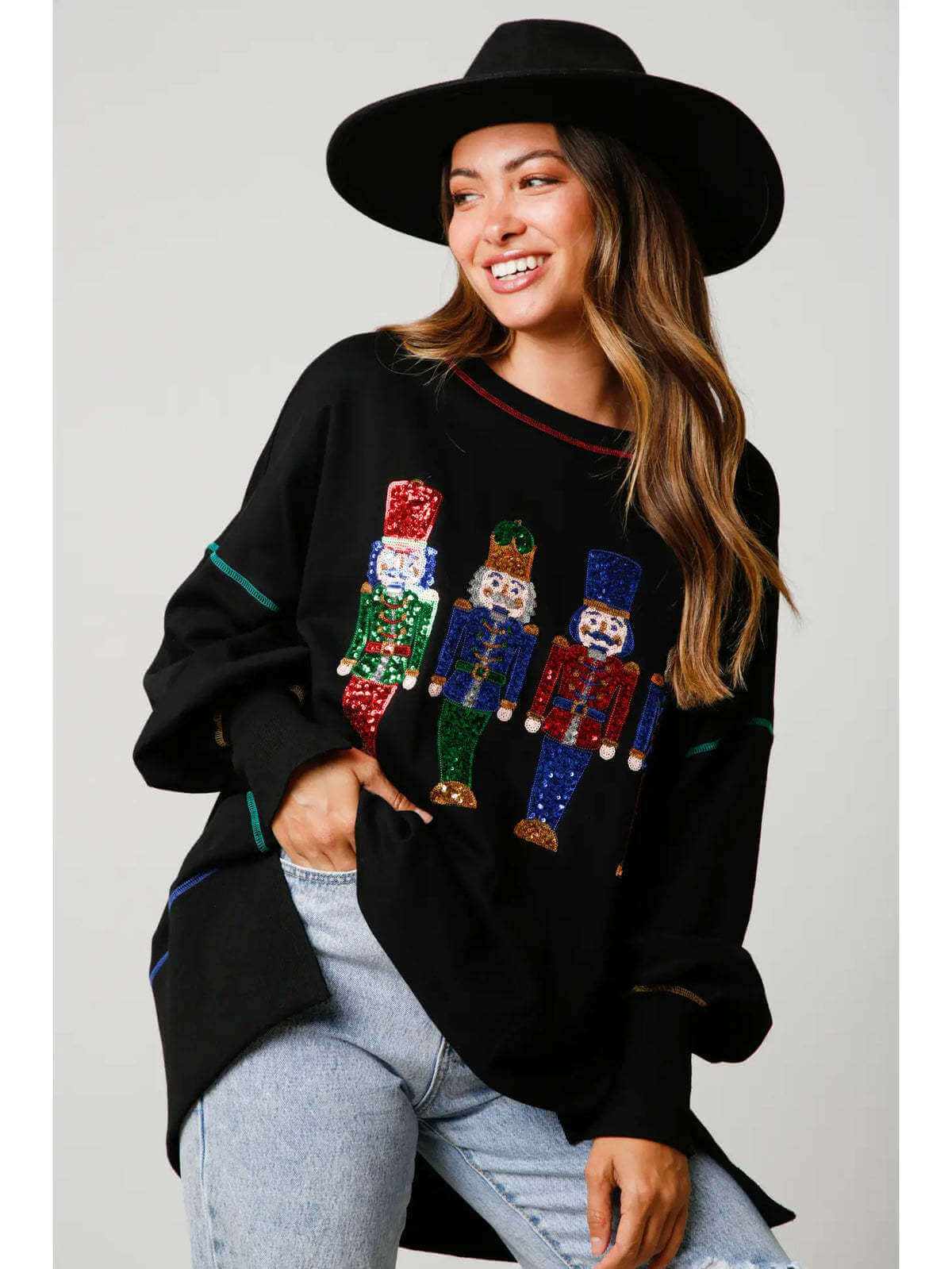
A chest graphic can sit perfectly centred on the folding table and land a centimetre off after one wash. Nothing moved in the print room. The knit did. Buyers tend to blame the artwork file, the screen or the operator, and almost never the blank picked from a catalogue page at the end of a long sampling meeting. Wholesale graphic t shirts are a fabric decision wearing a picture, which is why the spec sheet deserves more attention than the moodboard. Start there.
What the jersey weight changes
Cotton single jersey is commonly quoted in a band from about 120 gsm to 220 gsm, with 120, 140, 160, 180, 200 and 220 gsm as listed steps and 210 gsm cited for a heavyweight style; the same tee brief may also be filled in interlock or dry-fit mesh. Those numbers are not decoration. A 140 gsm blank held up to a window reads as a grid of tiny bright gaps, and a heavy white underbase printed across it will show through at the shoulders once the garment is worn. A 210 gsm jersey hides that ridge under the hand. Neither is wrong. They sell to different customers.
Hold a folded blank in one hand and press a thumb into the fold. On a light jersey the crease falls out quickly and the cloth springs back with a dry, papery noise; a heavier one keeps the compression for a second, then relaxes slowly. That difference is what a customer reads as substance before they look at the print. Ask for the weight of the actual roll rather than the number on a listing, then drop the cloth on the table and watch how it settles. Two rolls carrying the same gsm can drape nothing alike.
Where a print actually fails
If a plastisol ink film reaches its cure temperature only at the surface, the print looks clean on the table and cracks on the third wash. If the dryer belt is running fast on a heavy fill, the top can pass a fingernail test while the layer against the fibre is still soft. A published plastisol ink technical data sheet gives a cure window of 270 F to 320 F, or 132 C to 160 C, and states that the entire ink film must reach that temperature; the same sheet puts a flash around 220 F, or 105 C.
Ask for the temperature measured at the ink film. A reading taken from the dryer air describes the machine, not the shirt. Pull a solid fill between two fists and watch for hairlines. A properly fused layer stretches with the knit and gives back; an under-cured one opens in fine white lines that never close again. A print that stays faintly tacky to a thumbnail an hour off the belt will pick up lint in the carton. If only one check survives a tight schedule, make it the cure log. A cracked graphic cannot be repaired after the tees are packed, and a reprint costs more than the hour you saved.
Mesh count and how much ink lands
Screen mesh is specified by mesh count, the number of threads per inch in the warp and weft of the woven mesh, while thread diameter is given in microns. Polyester mesh for garment work is commonly sold at 110, 120, 160, 200, 250 and 300 mesh, with suppliers listing counts up to about 300 for textile jobs.
A low count lays down a heavy film, covers a dark ground in one pass and leaves a visible ridge under the thumb. A high count passes far less ink, holds fine halftone dots open and leaves a softer surface, though a solid white underbase on black may need a second pass. Put two proofs side by side and run a fingernail across the edge of each solid area. The step you feel is ink deposit, and it is the same thing a customer feels through a polybag. Match the mesh to the artwork instead of letting one screen serve the whole range. A screen chosen for a bold one-colour logo will fill in a fine halftone; a screen chosen for a photograph will starve a solid underbase. Ask which mesh the approved proof was pulled on, then write that number into the print sheet. Pulling the same file on a different screen is a new print, whatever the artwork says.
What to look at on the folding table
Most of the checks that matter take under a minute and need no equipment beyond a lamp.
- Stretch the cured print once and hold it to the light; hairlines mean the ink film never reached temperature.
- If the blanks come from two rolls, approve them together or expect a shade step across the size run.
- A white underbase that peeks at the edge of a dark print will show in every product photograph.
Keep the washed sample with the blank swatch it came from. They belong in one bag, labelled with the roll number, because a re-order argument usually begins with somebody comparing the wrong two garments.
The wash nobody runs on the sample
AATCC 179, Skewness Change in Fabric and Garment Twist Resulting from Automatic Home Laundering, measures how much a woven or knitted fabric skews and how far a finished garment twists after repeated home laundering; benchmark marks go on the specimen before washing, and the method also sets out the wash and dry procedures used for shrinkage work.
That last detail is the one buyers skip. A jersey tee can shrink evenly and still rotate a side seam several millimetres toward the front, which is exactly what makes a centred graphic look wrong in a photograph. Who is going to notice a seam that has walked, if nobody lays a washed tee flat? Wash one garment before the re-order and measure the side seam against the centre front. That number tells you whether the blank moved or the screen did, and it needs a tape measure and ten quiet minutes. Write the wash procedure and the mark positions into the spec. Same shirt, same cycle, same table.
FAQ
Q1: What does a wholesale graphic t shirts spec actually cover?
A wholesale graphic t shirts spec fixes the blank by weight and knit, the ink and cure window, the mesh, the placement, and the wash procedure used on the approved sample. Without it, a second batch is a fresh guess.
Q2: Which gsm should a boutique start with?
The heavier end of the 120 to 220 gsm band for a large solid print. A lighter jersey suits a small mark or a soft hand.
Q3: Why did our print crack after washing?
In most cases the ink film never reached cure temperature all the way through. Stretch the area under a lamp and look for fine white lines, then ask for a cure log from the run.
Q4: Is a higher mesh count always better?
No. It holds fine detail and softens the hand, but it lays down less ink on a dark ground.
Q5: Can colour be approved from a digital proof?
For layout, yes. For shade, approve on the printed fabric under the light the garment will be sold in, and keep that swatch with the roll number.
Where I would spend the extra hour
Put it into one washed sample before anyone signs off on the carton. Colour proofs can wait. The artwork will be fine; the knit is what moves. That habit holds for a heavyweight tee, a crewneck sweatshirt and relaxed loungewear, three categories that share the same jersey problem. Every figure above comes from a published standard or an open supplier listing. Use them as questions to put to a mill. The Winter Workout Clothes Guide talks about layering over knits, and the Utility Style Guide covers how workwear shapes sit on a body; One Hundred Pieces is the longer read on the brand.