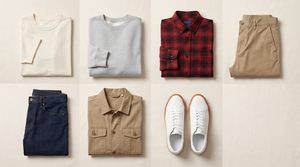
When it gets cold, a lot of people stop exercising — but fall and winter are actually some of the best seasons to train, as long as you dress right. Workout dressing differs from everyday dressing: you need warmth, but also breathability and moisture-wicking, or you’ll be sweaty, damp, and freezing — and more likely to catch a cold. Here’s a fall/winter layering plan for running and gym training, so you can keep moving in the cold.
The Core Principles of Workout Dressing
The core of fall/winter workout dressing is “warmth + wicking” — you need both. Warmth comes from layering, wicking from fabric. A common mistake is “thicker means warmer” — but exercise makes your body produce a lot of heat and sweat; if the base layer doesn’t wick, the soaked fabric actually pulls more heat away, and you get colder as you move. So the first rule is: the base layer must wick; the outer handles warmth and wind.
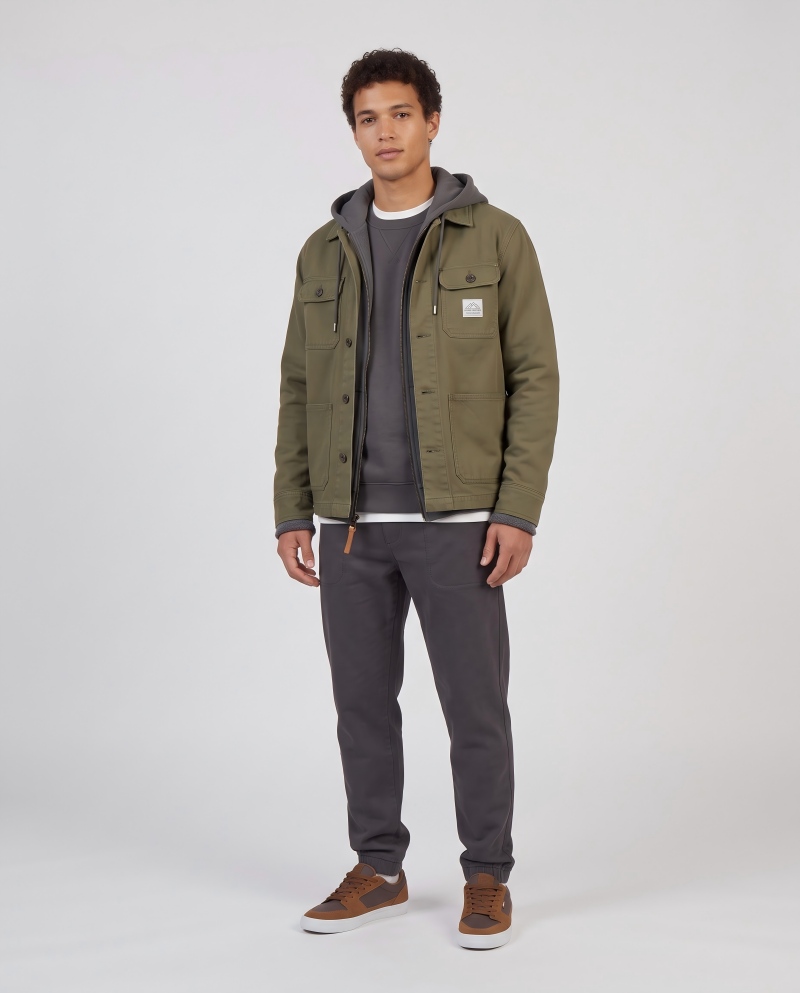
Layering: The Workout Sandwich
Workout dressing also uses the “sandwich layering,” slightly different from daily wear: base wicks, mid insulates, outer blocks wind. Add or remove pieces by intensity: wear it all to warm up, shed the mid or outer once you heat up. The core is flexibility — add when cold, remove when hot, keeping your body in the comfort zone.
Base Layer: Wicking Is Key
The workout base layer’s job is wicking, not warmth. Cotton absorbs sweat but doesn’t dry fast — once wet, it clings and feels cold and miserable. A workout base should be moisture-wicking fabric (polyester, merino wool blends). For light daily exercise or gym training, though, a thick heavyweight tee works too — it absorbs sweat, has a clean fit, and feels comfortable as a base before and after a workout.
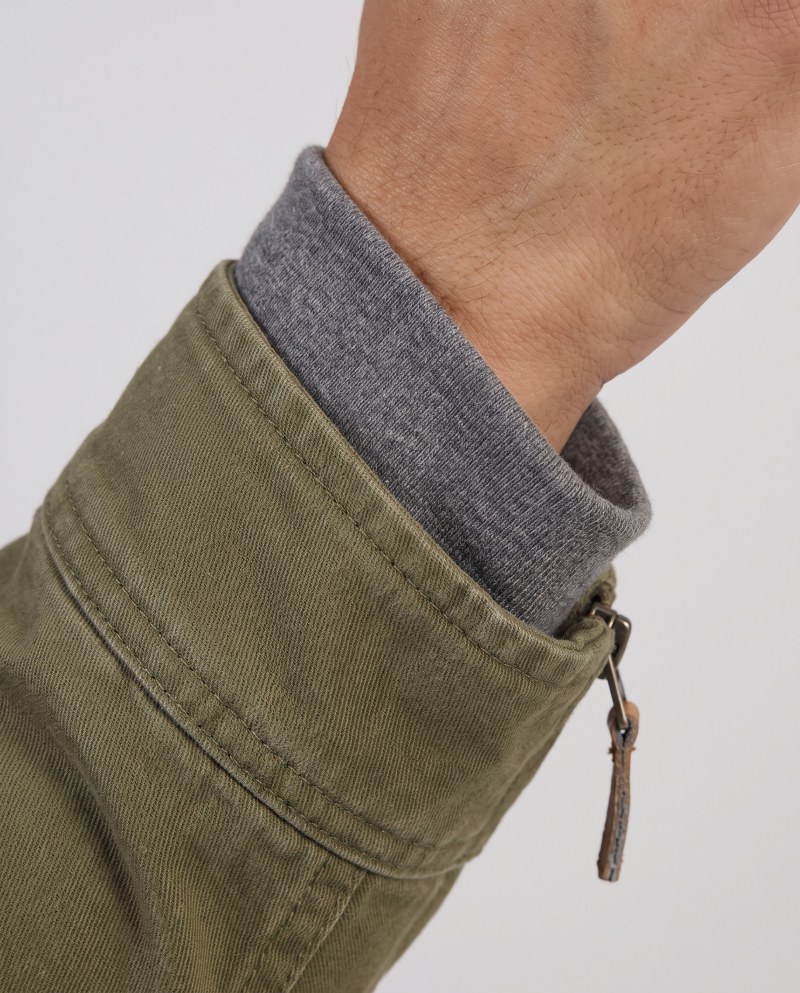
Mid and Outer Layers
- Mid (insulation): a fleece hoodie or crewneck sweatshirt is the most practical workout warmth layer — fleece insulates and breathes, comfortable before and after training.
- Outer (wind protection): a lightweight windbreaker or fleece jacket — windproof and warm, good for outdoor runs or commuting to the gym.
- Key: the outer should be light and easy to shed — avoid heavy coats that get stuffy during exercise.
How to Dress by Scene
- Outdoor running: wicking base + fleece hoodie (when cold) + light windbreaker; shed the outer as you heat up.
- Gym training: heavyweight tee + crewneck sweatshirt; indoor heating means two layers are enough, throw the jacket on after.
- Commuting to the gym: heavyweight tee as base, fleece hoodie + light jacket on top; drop the jacket and start training.
- Outdoor activity (hiking/trekking): wicking base + fleece hoodie + windbreaker, three layers, adjusted flexibly.
FAQ
Q1: How many layers for cold-weather workouts?
Start with three: wicking base + insulating mid + wind-blocking outer, adding or removing by intensity and temperature.
Q2: Cotton or synthetic for the workout base layer?
Synthetic (polyester/merino) is better for high-intensity training since it wicks and dries fast; cotton absorbs but doesn’t dry. For light daily exercise or the gym, a heavyweight tee works.
Q3: Is a fleece hoodie good for working out?
Very — fleece insulates and breathes, the most practical cold-weather mid layer, comfortable before and after training.
Q4: How do I dress for outdoor running?
Wicking base + fleece hoodie (when cold) + light windbreaker; shed the outer as you warm up, don’t overdress.
Q5: How do I choose a workout jacket?
Light, windproof, and easy to shed — avoid heavy coats; a fleece jacket or windbreaker is best.
Q6: What do I do after sweating in cold weather?
Wipe down and change out of wet clothes promptly, then put on a warm jacket to avoid a damp chill and cold. Packing a dry base is safer.
Conclusion & Further Reading
The key to cold-weather workout dressing is “wicking + layering”: a wicking base, an insulating mid, and a wind-blocking outer — add when cold, shed when hot. Wingtu Apparel’s heavyweight tee, fleece hoodie, crewneck sweatshirt, and fleece jacket build a complete workout set from gym to outdoors — warm, breathable, and flexible.
Further reading: