A coat is your most expensive fall/winter purchase — and the one most worth doing right. A good jacket lasts five years or more; spread out per day, it’s cheaper than fast fashion. The question is how to tell whether a coat is worth it. Too many people only look at style and price, missing the four things that decide lifespan: fabric, filling, lining, and construction. Here’s a full set of criteria to put every dollar into a coat that lasts.
First, Decide What It’s For
Before buying, ask yourself three questions: what temperature (a light early-fall piece or a deep-winter one), what occasion (commuting, outdoors, or formal), and how often you’ll wear it (a high-frequency basic or a low-frequency experiment). Nail those three and you’ll know how much to spend and what material to buy. One core rule: high-frequency basics deserve the expensive, durable version; low-frequency experiments just need value.
Fabric: The Durability Foundation
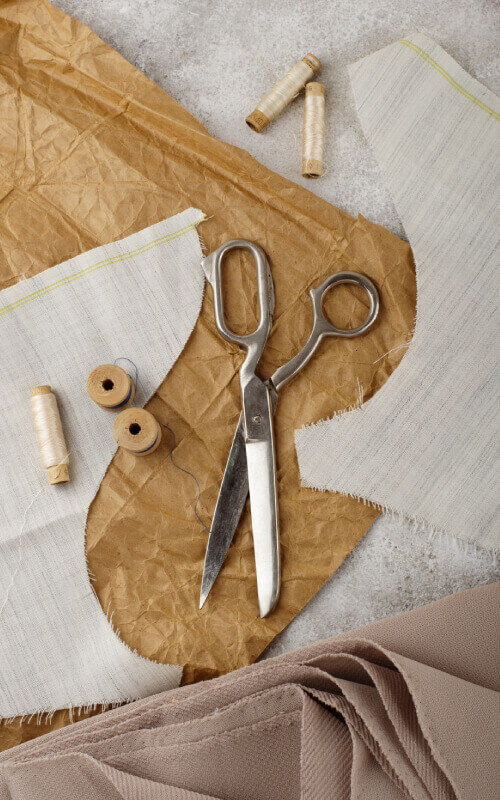
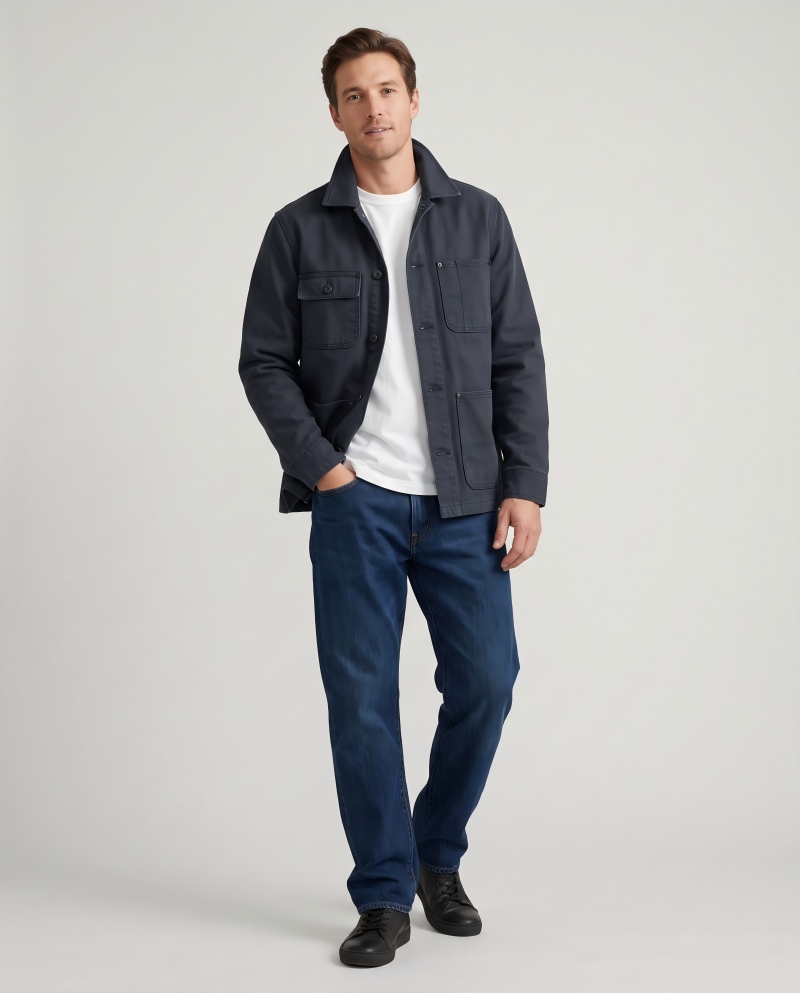
Fabric is the base of a coat’s lifespan. Wool is structured, warm, durable, and reads premium — the classic for fall coats. Nylon/polyester is windproof, abrasion-resistant, and easy-care, great for technical and utility styles. Cotton twill (denim/chino) is classic, durable, and only gets better with age. Judge fabric by two things: weight (heavier is more structured and durable) and hand feel (fine, dense, not loose). A work jacket in heavyweight, abrasion-resistant cotton twill is the textbook “lasts 5 years” piece.
Filling and Warmth
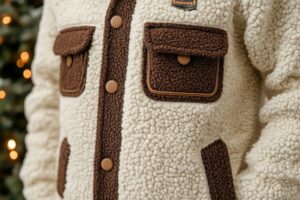
The warmth core of a heavy coat is the filling. Down is the warmest and lightest, but check the down content (higher is warmer) and fill power. Cotton/synthetic fill (like imitation down) is high value and moisture-tolerant — a practical down alternative. Fleece is light and warm, ideal as a liner or layering piece. Warmth isn’t about “how thick” — it’s about the quality and weight of the fill.
Lining and Hardware
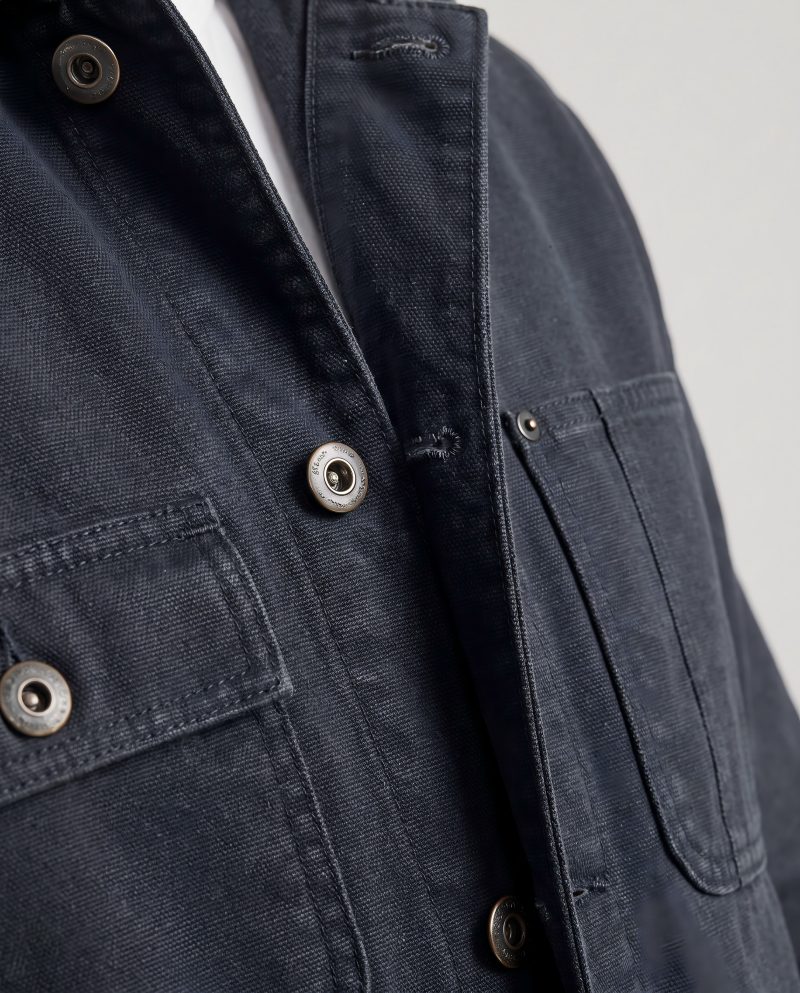
The lining is often ignored but directly affects comfort and lifespan: a good lining (cupro, acetate, high-density polyester) is smooth, abrasion-resistant, and breathable; a poor one builds static, wears out, and even splits. Hardware (zippers, buttons, snaps) is another durability tell: brand zippers like YKK are smooth and long-lasting, and metal snaps outlast plastic under repeated use. These details decide “two years” vs “five years.”
How to Judge Construction
- Stitching: even, dense stitches, no skipped stitches or loose threads, flat seams.
- Shoulders and armholes: snug but not tight, full range of motion — the key to good fit.
- Pockets: strong lining, reinforced stress points, won’t split easily.
- Closures: ribbed or snap cuffs and hems that are firm and elastic.
- Collar: structured, doesn’t collapse, and returns to shape when folded.
FAQ
Q1: One expensive coat or several cheap ones?
A high-frequency basic (work jacket, wool overcoat) is worth the expensive, durable version — spread over years it’s cheaper. Low-frequency pieces just need value.
Q2: Down or synthetic — which should I buy?
Down is warmer and lighter but pricey and moisture-sensitive; synthetic is high value and moisture-tolerant. Go synthetic for damp outdoor use, down for lightweight warmth.
Q3: How do I judge down jacket quality?
Check down content (higher is warmer, 90%+ is ideal), fill power (higher is warmer), and the anti-down-leak fabric finish.
Q4: How do I judge coat fabric?
By weight (heavy and structured) and hand feel (fine and dense), plus a simple rub-and-stretch test for rebound and density.
Q5: Do lining and hardware really matter?
Very much — they decide comfort and lifespan. A smooth, durable lining plus brand zippers is the mark of a “five-year” coat.
Q6: How do I tell good construction?
Even dense stitching, well-fitting shoulders, reinforced pockets, and firm closures.
Conclusion & Further Reading
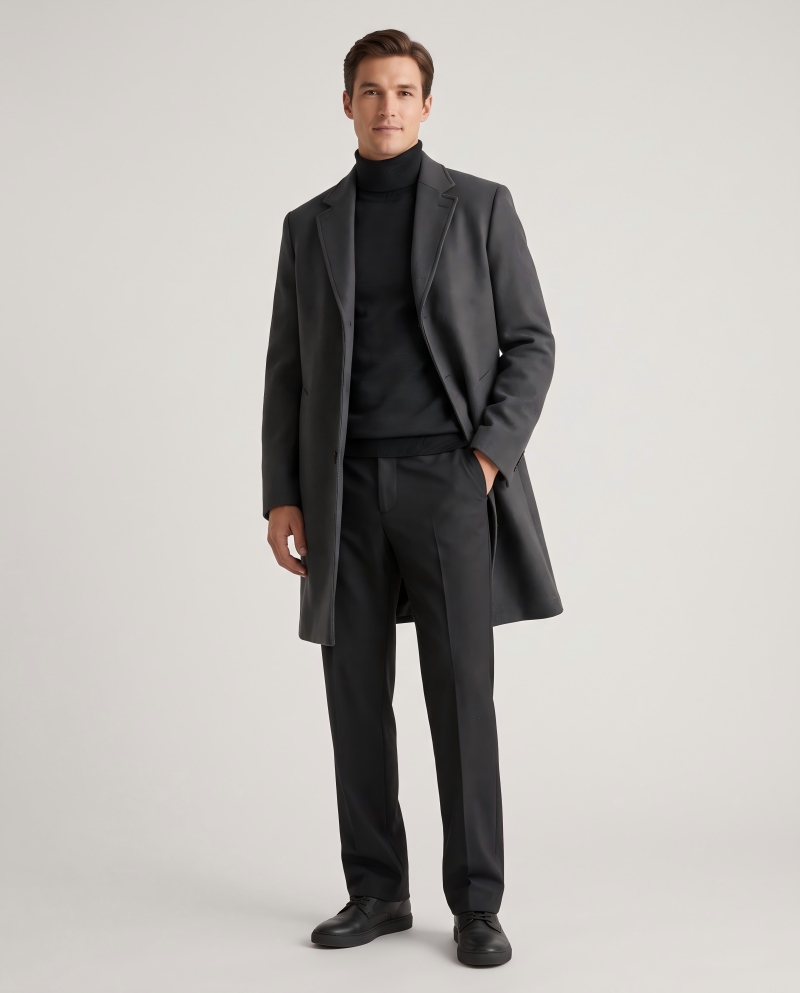
To pick a coat that lasts five years, remember four words: fabric, filling, lining, construction. Fabric by weight and feel, filling by content and fill power, lining by smoothness and durability, construction by details. Wingtu Apparel’s work jacket uses heavyweight abrasion-resistant twill with reinforced stitching — a low-stress pick in the “durable basic” category.
Further reading: