Why Transition Dressing Is So Tricky
September is the hardest month to get dressed for. Days still carry the tail end of summer, while mornings and evenings already feel like fall. Wear a short sleeve and you’re cold; jump straight into a heavy jacket and you sweat. But transition dressing isn’t as complicated as it looks. The whole trick is one rule: don’t change the outfit — add one layer.
These four steps will help you keep wearing your summer clothes, and work in a few new pieces from Wingtu Apparel without any guesswork.
Table of Contents
- Step 1: Keep Your Summer Base Layer
- Step 2: Add One Light Mid-Layer
- Step 3: Signal Fall with Color and Bottoms
- Step 4: Finish with the Details
- FAQ
Step 1: Keep Your Summer Base Layer
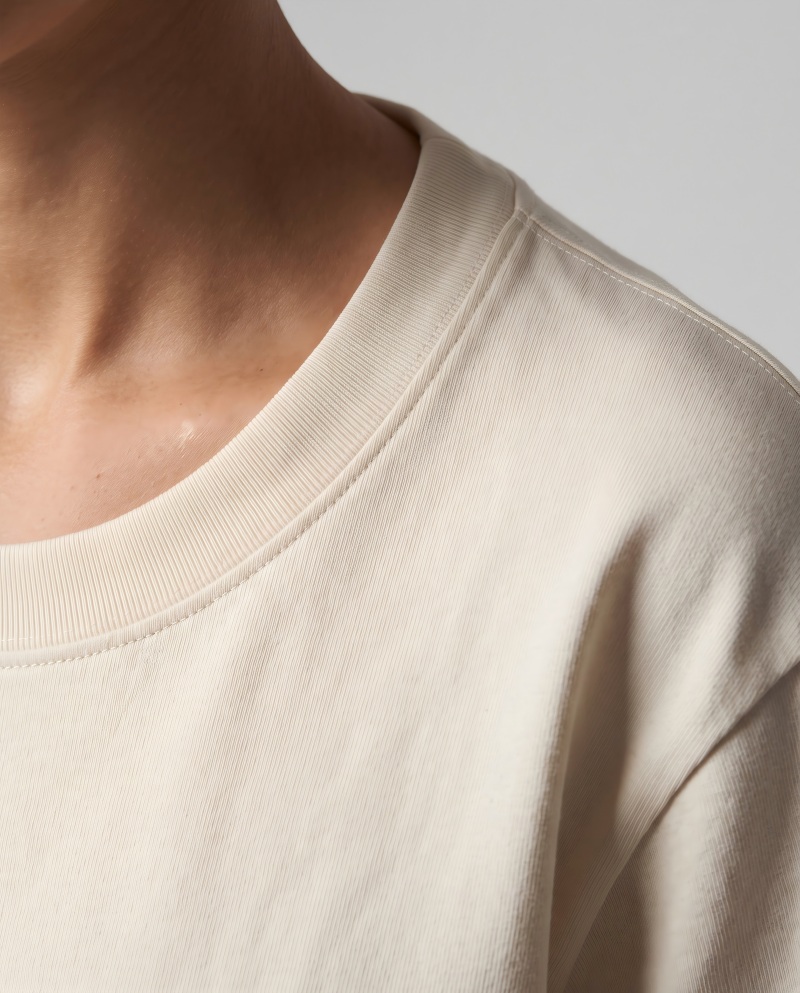
Don’t pack your summer clothes away yet. White tees, striped shirts, and simple short sleeves are the best base layers for this season. The key is picking one that’s thick enough and holds its shape: the Wingtu Apparel Heavyweight Tee (220 GSM) was built for exactly this. Structured on its own, easy to layer, and the collar doesn’t stretch out wash after wash.
If your summer tees feel too thin, swap the base for this heavyweight version — it looks more substantial and layers better.
Step 2: Add One Light Mid-Layer
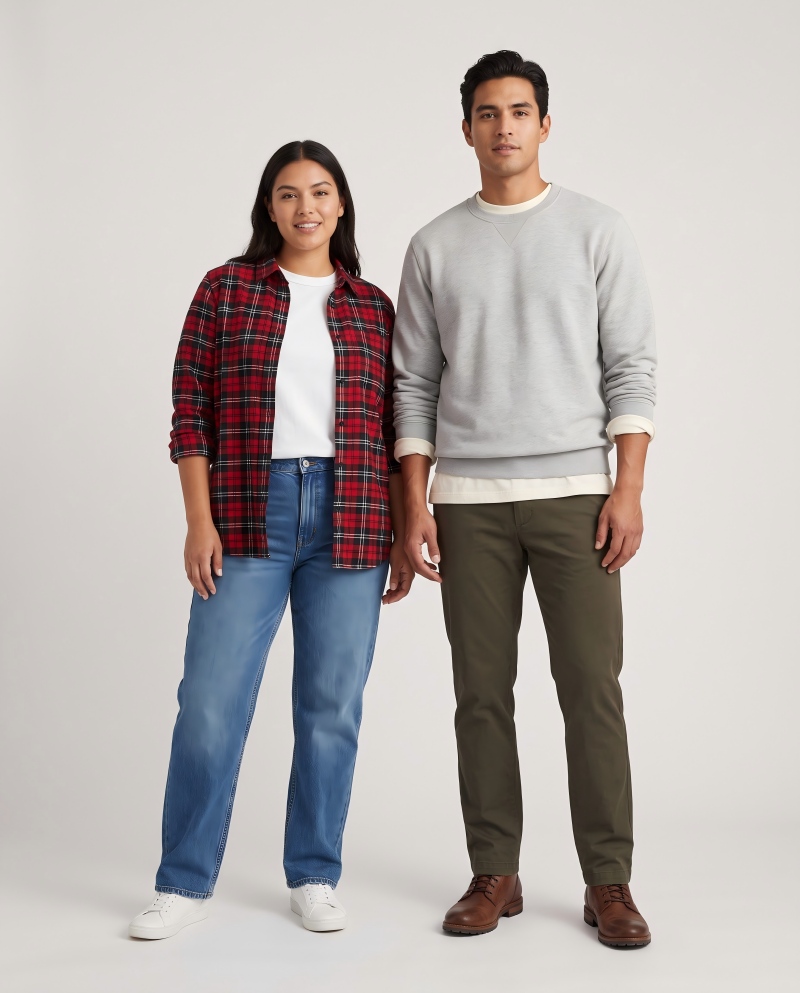
Transition weather doesn’t call for three layers. One light mid-layer is enough. Above 19°C, add a Flannel Shirt (open over a tee, or buttoned up). Between 15 and 19°C, switch to a Relaxed Crewneck Sweatshirt. Below 15°C, throw a Utility Jacket on top for wind.
Remember the rule: peel one off when it’s hot, add one when it’s cold. Always keep a single piece nearby that you can put on or take off in seconds.
Step 3: Signal Fall with Color and Bottoms
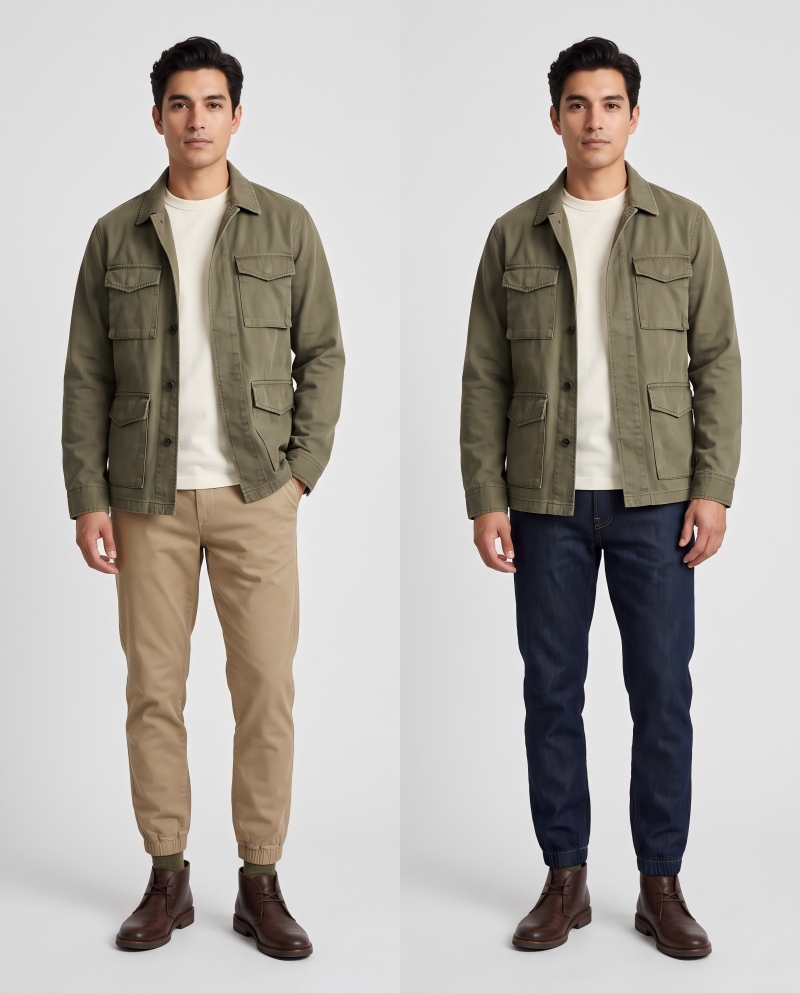
You don’t need a full overhaul to look like fall. Swap light bottoms for darker ones, or trade white pants for khaki or olive, and the season changes instantly. The Tapered Joggers are a solid pick for this window — they work with both colors above.
Still wearing a light summer tee on top? Throw a plaid flannel or a darker sweatshirt over it and you’ve got the layering and the seasonal feel in one move.、
Step 4: Finish with the Details
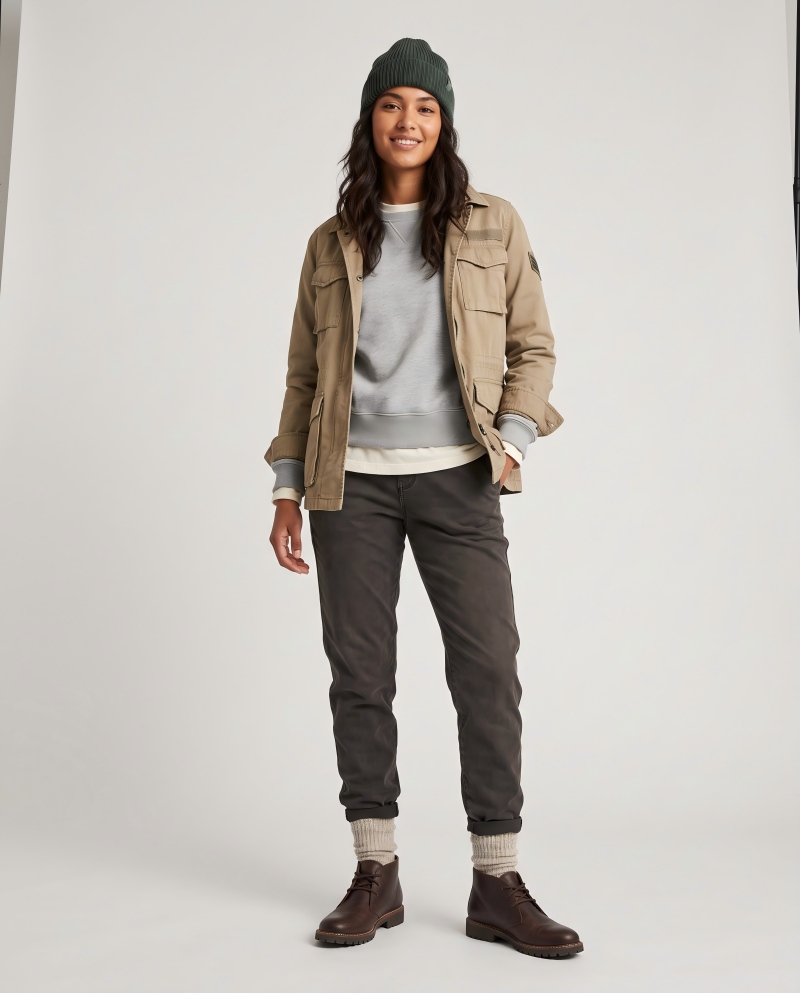
Details are what make an outfit look intentional. Add a cap or a beanie for the cool mornings. Roll the cuffs of your sweatshirt or jacket once to show the layer underneath. Switch to socks with a bit of texture. None of these cost anything, and each one changes how the same outfit reads.
FAQ
Q: What’s the first thing worth buying for the transition?
A: A heavyweight tee or a flannel shirt. Both work as base layers and mid-layers, so they get the most wear.
Q: Can I really keep wearing summer clothes?
A: Yes. Use your summer tee as the base and add one light layer on top — that’s the classic transition look.
Q: How do I dress for around 15°C without looking bulky?
A: Heavyweight tee + sweatshirt + utility jacket. Three layers, but each one is light, so you stay warm without the puff.
Q: Should I buy a heavy coat now?
A: Not in September. Get your transition pieces first; save the heavy outerwear for October.
Q: How do I know how many layers to wear?
A: Judge by the indoor-outdoor temperature gap. If you spend most of your day indoors, dress one layer down for the outdoor temperature; if not, go one up.
Conclusion
The secret to transition dressing isn’t buying more — it’s wearing your summer clothes smarter. Keep a base layer, add one light mid-layer, shift your colors and bottoms, and finish with the details. You’ll handle everything from 30°C to 15°C without breaking a sweat.
Ready to round out your transition pieces? Check out the early fall essentials, or read the size guide first and order with confidence.