Against the backdrop of the continuous expansion of the global market for sleepwear&Loungewear, consumers’ demand for nighttime wearing experience has long surpassed simple “beauty” and turned to the ultimate pursuit of sleep health, skin microclimate regulation, and luxurious touch.
For fashion brands and procurement decision-makers, fabrics are not only the physical carriers of products, but also the core commercial barriers that determine brand positioning, control return rates, and increase customer repurchase rates (LTV). This article will analyze the professional selection and procurement strategies of pajama fabrics from four dimensions: textile engineering, seasonal adaptability, brand commercial positioning, and supply chain risk control.
Core evaluation dimensions of pajama fabrics: from physical properties to tactile engineering
Before intervening in any fabric procurement, the procurement team must establish a rigorous quality evaluation system through the following four core indicators:
Moisture wicking&Thermal Comfort Management
The human body continues to evaporate water through the skin during nighttime sleep. Excellent pajama fabric must have efficient moisture absorption and diffusion capabilities, maintaining the humidity on the skin surface within the comfortable range of 40% -60%, avoiding sticky or cold sensations caused by sweat accumulation.
Surface Friction Coefficient&Hypoallergenic Properties
Frequent changes in body position during sleep directly affect sleep quality due to the Static/Dynamic Friction between the fabric and skin. A low sensitivity, non irritating, and smooth fibrous structure is the key to reducing damage to the stratum corneum of the skin.
Air Permeability&Porosity
The organizational structure of the fabric, such as yarn count density and fabric density, determines the gas exchange efficiency. Highly breathable fabrics can quickly remove residual heat from the body surface and maintain a constant perceived temperature.
Dimension Stability&Pilling Resistance
As a category of high-frequency cleaning and friction, pajamas have a pilling resistance level (recommended to reach Martindale 3-4 or above) and shrinkage control (usually within the range of less than or equal to 3% to less than or equal to 5%) that directly determine the product’s lifecycle.
Panoramic analysis and technical comparison of mainstream sleepwear fabrics
According to different brand positioning, the mainstream pajama fabrics in the market can be divided into three major camps:
Natural fabrics: classic, breathable, and luxurious
Combed Cotton&Double Gauze/Muslin:
Technical features: Combed cotton is processed by a combing machine to remove shorter fibers and impurities, resulting in high yarn flatness and strong resistance to pilling; The double layered yarn (Muslin) uses interlacing points to combine two layers of sparse plain weave fabric to form a natural air pocket insulation layer, which is breathable and becomes softer with washing.
Applicable scenarios: mid to high end daily home wear, mother and baby pajamas, and sensitive skin exclusive series.
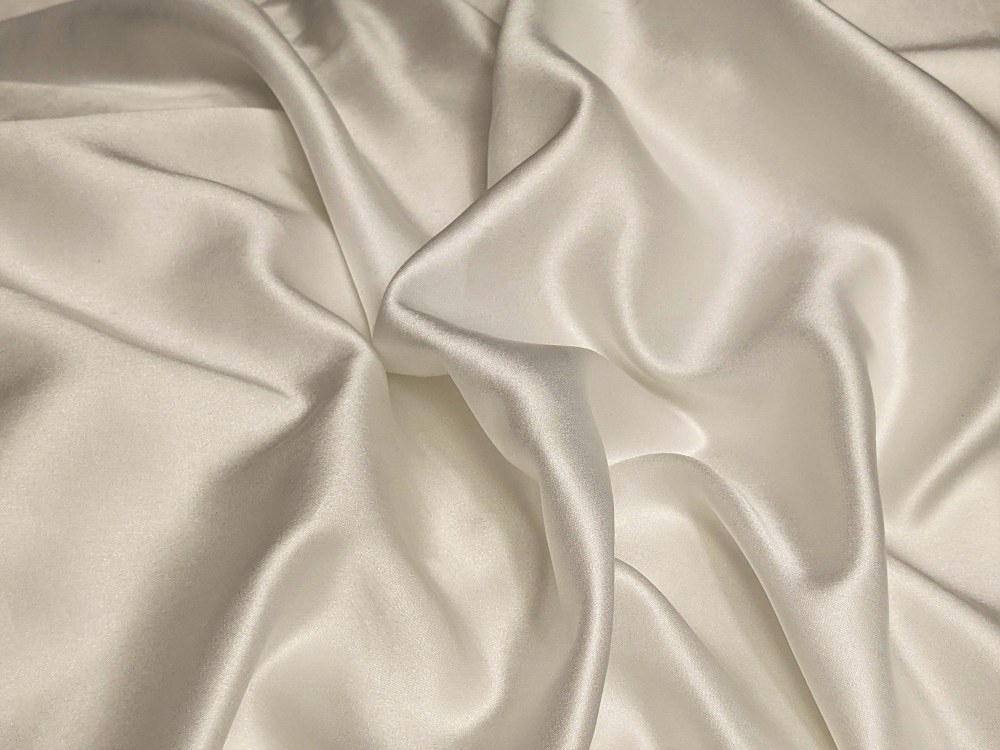
Mulberry Silk – Charmeuse/Satin:
Technical features: Made of natural protein fibers, rich in 18 types of amino acids. The commonly used 16-22 mm (Momme) satin mulberry silk has an ultimate luster and extremely low friction coefficient, as well as natural biological affinity.
Procurement reminder: It is important to pay close attention to Momme Weight and Color Fastness to avoid issues with thin and slippery needles.
Linen:
Technical features: It has extremely high thermal conductivity and natural antibacterial properties, and dries extremely quickly after absorbing moisture.
Applicable scenarios: American retro, vacation style, and high-end tropical summer pajamas series.
Regenerated Cellulose Fibers: silky, drooping, and environmentally friendly
Modal and MicroModal:
Technical features: Made from European beech wood, with much higher wet strength than ordinary viscose. MicroModal (such as 80s/100s high count Modal) has a hand feel that is extremely close to or even surpasses real silk, with a moisture absorption rate 50% higher than pure cotton.
Applicable scenarios: high-end light luxury Modal sleepwear, base sleepwear, and slim fit home wear.
lyocell ™ Tencel :
Technical features: Adopting closed-loop physical production process (solvent recovery rate of 99.7%), the fiber cross-section is smooth and circular, with excellent moisture management function and natural antibacterial effect.
Applicable scenarios: Independent designer brands that advocate the concept of sustainable environmental protection.
Bamboo Rayon/Viscose Knitted Fabric:
Technical features: The fibers are filled with micropores, providing an excellent cool to touch and natural drape, with a high cost performance ratio.
Blended&Technical Fabrics: Balanced Performance
Cotton+Spandex/Elastane (such as 95% Cotton/5% Elastane):
Technical features: While retaining the breathability of natural cotton, it endows the fabric with good four-way stretch and shape retention, greatly enhancing the freedom of wearing.
Modal Silk Blendes:
Technical features: Combining the noble luster of silk with Modal’s easy maintenance and low cost, it is an ideal alternative solution for mid to high end brands to achieve “cost reduction and efficiency improvement”.
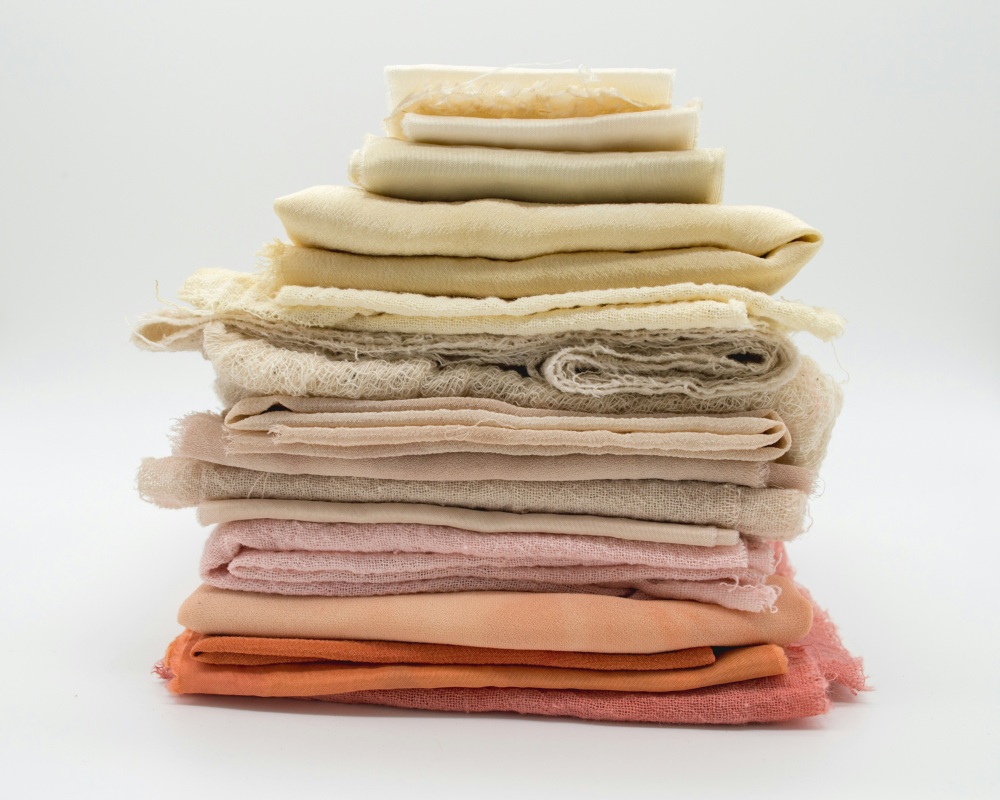
Commercial Selection Matrix by Brand Positioning and Season
Sourcing decisions should directly align with your commercial positioning and target market climate:
| Brand Line / Season | Recommended Fabrics | Fiber & Spec Suggestions | Commercial Advantage |
| Luxury | Mulberry Silk Satin / Fine MicroModal-Silk Blends | 19–22 Momme Mulberry Silk or 80s MicroModal | Supports high margins, ideal for gifting and premium positioning. |
| Mass / Everyday | Combed Cotton Jersey / Cotton-Spandex / Modal Blends | 40s/50s Combed Single Jersey (160–180 GSM) 95% Modal / 5% Spandex | High repeat-purchase rates, durable, easy care, excellent cost efficiency. |
| Eco-Friendly | GOTS-Certified Organic Cotton / Tencel™ Lyocell | 100% Organic Cotton Gauze Tencel™ Jersey (180 GSM) | Meets strong ESG and sustainability compliance demands in North America and Europe. |
| Summer Lines | Bamboo Jersey / Seersucker / Light Modal | 140–160 GSM Lightweight Construction | Focuses on cool-touch performance, featherweight feel, and breathability. |
| Winter Lines | Cotton Flannel / Brushed Knit / Heavy Silk | 200–240 GSM Flannel Fleece or Bonded Thermal Fabrics | Delivers heat retention, plush handfeel, and cozy seasonal protection. |
Supply Chain Risk Management & Sourcing Guidelines
To prevent delays or quality disputes during bulk production, sourcing teams should enforce strict technical compliance standards:
1. Technical Specification Verification
- Fabric Weight (GSM): Require suppliers to provide lab test reports verifying weight tolerance within ±5%. Fabrics that are too light become sheer and lose shape; overly heavy fabrics trap heat and feel bulky.
- Shrinkage Rate: Knit sleepwear fabrics must undergo pre-shrinkage treatment (sanforization). Standard wash tests (40°C) should show dimensional shrinkage within 3%~ 5%.
- Color Fastness: Dark sleepwear requires high color fastness to washing, perspiration, and rubbing (rubbing fastness Grade 4+), preventing dye transfer onto bedsheets.
2. International Environmental & Safety Certifications
For North American and European compliance, suppliers should hold key credentials:
- OEKO-TEX® Standard 100: Guarantees fabrics are free from harmful azo dyes, heavy metals, and formaldehyde (Class I for babies or Class II for direct skin contact).
- GOTS (Global Organic Textile Standard): Provides full traceability for organic cotton supply chains.
- GRS (Global Recycled Standard): Verifies recycled content for polyester or regenerated materials.
3. MOQs & Cost Control Strategies
- In-Stock Fabrics vs. Custom Dyeing: Emerging brands with smaller initial volumes should opt for a factory’s stock color programs, where Minimum Order Quantities (MOQs) can be as low as 50–100 meters per color. Custom Pantone dyeing typically requires dye-vat minimums of 300kg–500kg or more.
- Wastage Margin Allowance: When calculating fabric consumption for cutting, factor in an 8%~10% wastage margin for standard knits, and 12% ~ 15% for prints or patterns that require grid/stripe matching.
Frequently Asked Questions
Q1: Which fabrics work best for sensitive skin or night sweats?
A: Tencel™ Lyocell and Bamboo Jersey are top choices. Their fibers feature smooth cross-sections that reduce mechanical friction against the skin, while their porous structures manage moisture and temperature balanced throughout the night.
Q2: Silk is luxurious, but high-maintenance and prone to seam slippage. Is there a practical alternative?
A: High-count MicroModal (80s/100s) or Modal-Silk Blends offer a strong alternative. They deliver the fluid drape and soft sheen of silk with much higher wrinkle resistance and machine-wash durability at roughly 1/3 to 1/2 the raw material cost.
Q3: How can a startup brand navigate low initial volumes against high factory MOQs?
A: Use a Fabric Synergy strategy. Design a capsule collection (e.g., a robe, camisole, and pajama pants) using the exact same fabric and colorway. Combining unit quantities across multiple styles helps meet raw material and dye-vat minimums more easily.
Conclusion: Building a High-Retention Sleepwear Supply Chain
In today’s competitive direct-to-consumer and private label apparel market, thoughtful fabric selection forms the foundation of brand loyalty. Understanding how to communicate technical specs with manufacturers and balancing product experience with supply chain costs empowers brands to build scalable, high-margin product lines.
- About Wingtu Manufacturing:As a full-service private label apparel manufacturer, Wingtu helps growing fashion brands, independent boutiques, and e-commerce sellers turn creative visions into market-ready collections. From fabric R&D and Tech Pack optimization to sampling and bulk production, our team delivers clear communication and reliable execution at every stage.Planning your next sleepwear or loungewear line? Contact our supply chain team today to request fabric swatches or discuss your production timeline.