“Joggers” and “sweatpants” sound like the same thing — until you buy them and realize they’re completely different: one is cuffed and sharp enough to wear out, the other is so soft and baggy it stays home. Both have their place. Learn the difference and you’ll buy the right pair every time. Here’s a joggers vs sweatpants breakdown across fabric, fit, scenarios, and buying tips.
Table of Contents
- Are Joggers and Sweatpants the Same Thing?
- Fabric
- Fit
- Scenarios
- Buying Tips
- FAQ
Are Joggers and Sweatpants the Same Thing?
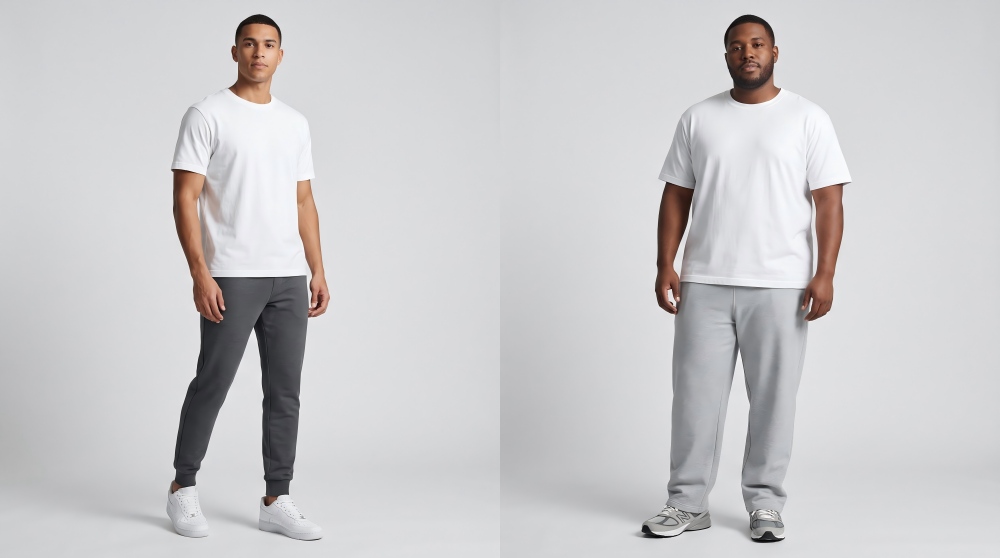
Strictly speaking, no. Joggers usually have a tapered, cuffed ankle, a sharper cut, and more structured fabric — a middle ground between sweatpants and casual pants; sweatpants are looser and softer, built for comfort, mostly straight or relaxed. In short: joggers “can go out,” sweatpants “belong at home.” The line is blurring — many sweatpants now have cuffs — but the core difference still lives in fabric and fit.
Fabric
- Joggers: mostly cotton-polyester or cotton-spandex blends — structured with drape, resistant to creasing, comfort and shape together.
- Sweatpants: mostly cotton or cotton blends — soft and fluffy inside, often French terry or fleece, comfort first.
- Weight: mid-weight and breathable for spring/fall; fleece-lined for winter. Warmth comes from weight and the inner fabric.
Fit
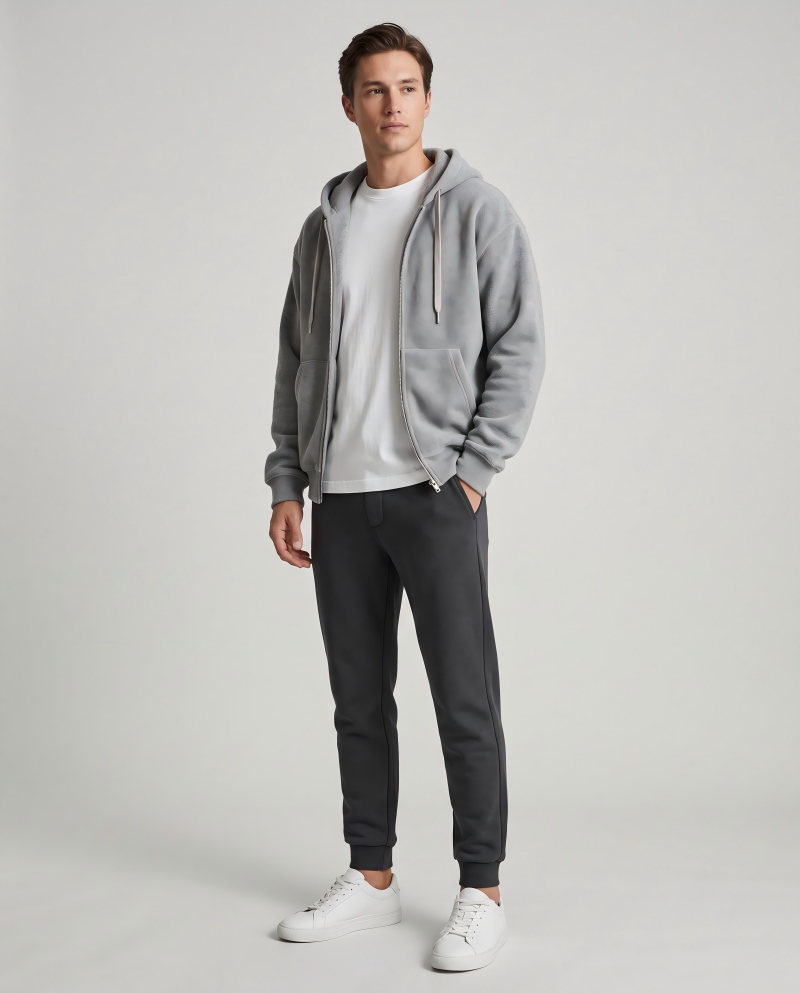
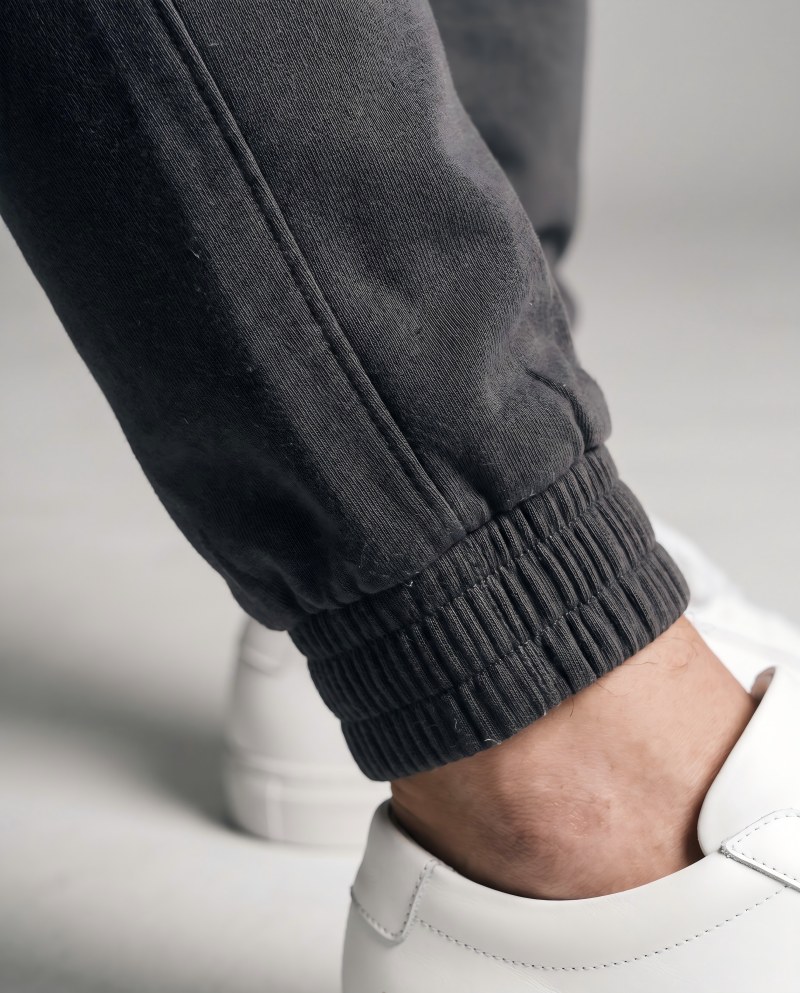
- Joggers: the cuffed ankle is the signature — tapered from thigh to calf, the cuff flashing the ankle reads sharper. Available fitted to relaxed; overall more structured.
- Sweatpants: mostly straight or relaxed, no cuff or elastic cuffs, loose and lounge-y.
- Waist: both use elastic waistbands with drawcords; joggers’ drawcords tend to be more refined, sweatpants more casual.
Scenarios
- Lounging at home: sweatpants win — soft and loose, comfortable in any position.
- Workouts: joggers win — the cuffed ankle doesn’t drag, and the fabric breathes.
- Running errands: joggers go out — with a heavyweight tee, hoodie, and trainers it’s a complete urban-casual look.
- Commuting: joggers work in casual offices; sweatpants stay home.
- Travel: joggers are the pick — comfortable, easy to style, photographs well.
Buying Tips
- The cuff: should hug the ankle without squeezing — loose cuffs read sloppy.
- Fabric: structured for going out; soft terry or fleece for home.
- Weight: match the season — 280-320 GSM for spring/fall, fleece-lined for winter.
- Cut: the thigh-to-ankle taper should be natural — too aggressive highlights leg issues, too loose loses the shape.
- Details: practical pockets (joggers’ side pockets + back pockets) and a sturdy drawcord.
FAQ
Q1: Can joggers pass as dress pants?
Not a full replacement, but in casual offices, joggers with a shirt or knitwear work — as long as the fabric is structured and the color is dark.
Q2: Can I wear sweatpants out?
Yes, but choose a cleaner cut and solid color, and avoid anything that looks like pajamas.
Q3: How do I size joggers?
Go by the waist. The tapered cuff forgives length; choose fitted for a slim look, size up for a relaxed one.
Q4: Are fleece joggers warm enough for winter?
Fleece-lined works for everyday wear around 0-10°C; for colder weather, layer or go heavier.
Q5: What’s the difference between joggers and cuffed sweatpants?
Same idea, different names. Joggers usually have more structured fabric and a sharper cut; cuffed sweatpants read more casual.
Conclusion and Related Reading
Joggers and sweatpants aren’t either/or — assign by scenario: soft sweatpants at home, sharp joggers out the door. Understand fabric, fit, and scenarios and you’ll buy the right pair. The core rule: if a pair is going to see other people, the fabric and fit must hold up.
Related Reading: