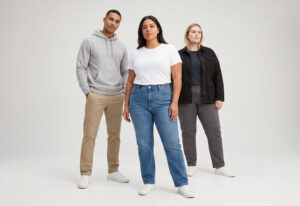
Fall is pants season — you can layer the top half as much as you want, but if the pants are wrong, the whole proportion collapses. Plenty of people think “pants just need to fit,” but swap in the right pair under the same top and the look upgrades by a mile. Here’s a fall pants guide by body type, from silhouette selection to shoes, so you build the foundation right.
Table of Contents
- Why Fall Pants Matter
- Know Your Body Type
- Pants Plans by Body Type
- Fall Pants Outfit Formulas
- Matching Pants and Shoes
- FAQ
Why Fall Pants Matter
Fall styling leans on the top half — hoodies, jackets, and coats take turns — but pants set the overall proportion and style tone. No matter how well the top is layered, pants that are too wide or too tight ruin it. Flip it around: a well-fitted pair instantly lifts a basic outfit. So when buying fall pants, spend the extra thought.
Know Your Body Type
Figure out your body type before styling. Three zones matter:
- Thighs: thicker or even?
- Calves: strong or slim?
- Height and proportions: long legs or not? Tall or short?
A quick check: stand in front of the mirror and look at how pants sit at the thigh, knee, and calf. Where they’re tightest and loosest tells you which silhouette to prioritize.
Pants Plans by Body Type
- Thicker thighs: go tapered or straight — room at the thigh, a narrower or equal ankle; avoid skinnies. Dark colors read slimmer.
- Strong calves: skip the tight feel of skinnies and cropped joggers; straight or slightly tapered with an ankle that isn’t tight.
- Shorter frames: high-rise is your weapon; hem not too long, flash the ankle or match shoe color to lengthen the line.
- Taller frames: most silhouettes work — wide-leg and straight both; just don’t let the hem come up short.
- Even proportions: most fits work; the choice is style — straight for commute, tapered for casual.
Fall Pants Outfit Formulas
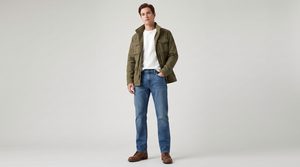
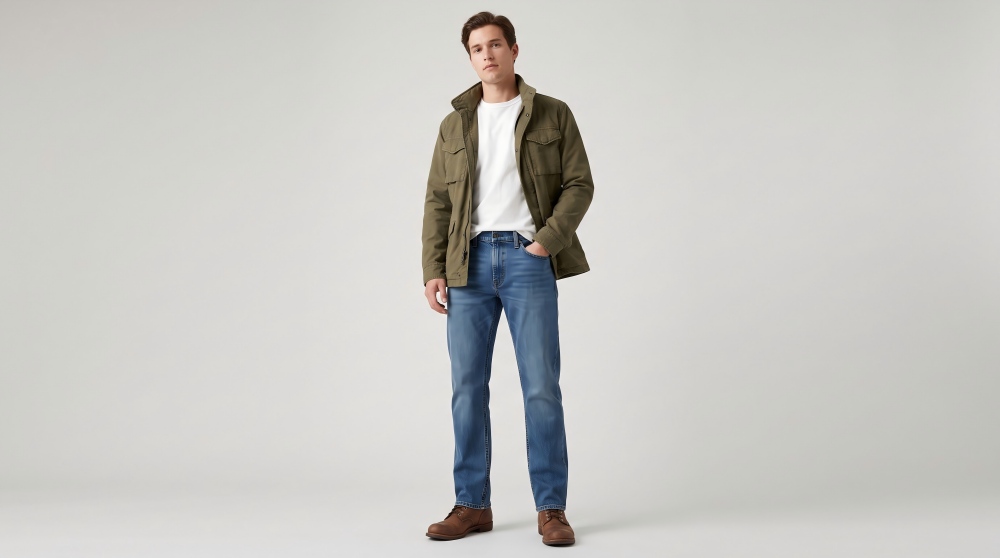
- Jeans + heavyweight tee + utility jacket: the classic fall formula — straight or tapered jeans with a heavyweight tee, topped with a utility jacket for depth and edge.
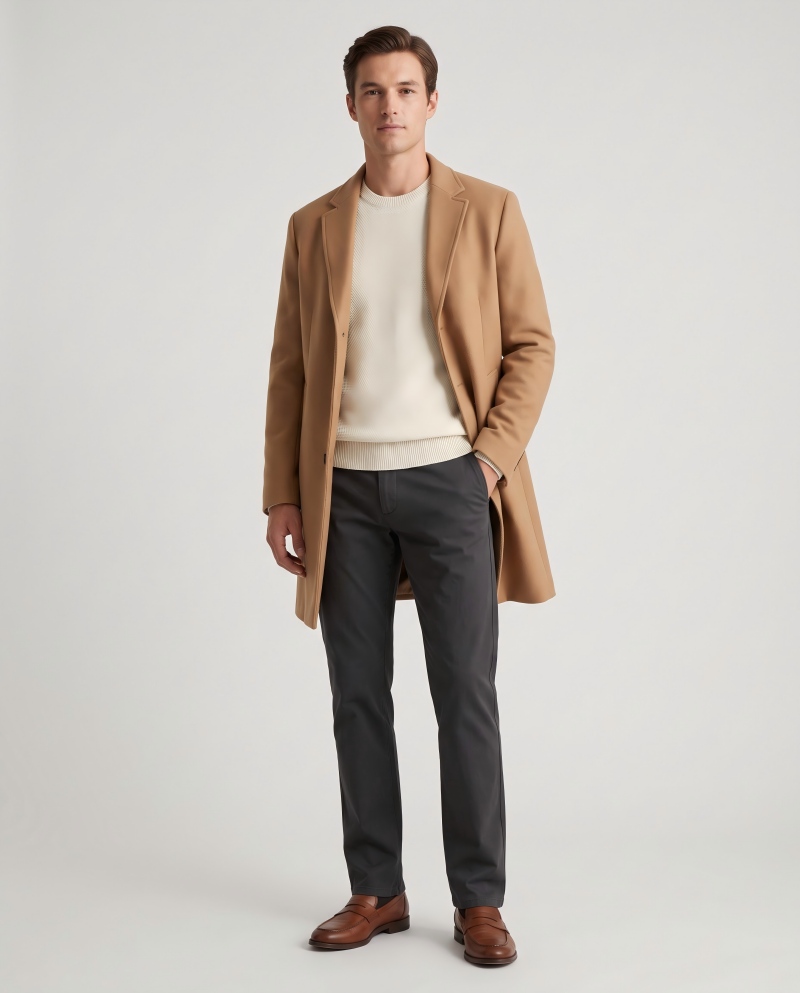
- Chinos + knitwear + overcoat: commuter polish — dark chinos with knitwear and a long overcoat, semi-formal energy.
- Joggers + hoodie + trainers: weekend ease — matching or same-color sets are the low-effort answer.
- Chinos + shirt + loafers: smart-casual textbook — office to date without changing.
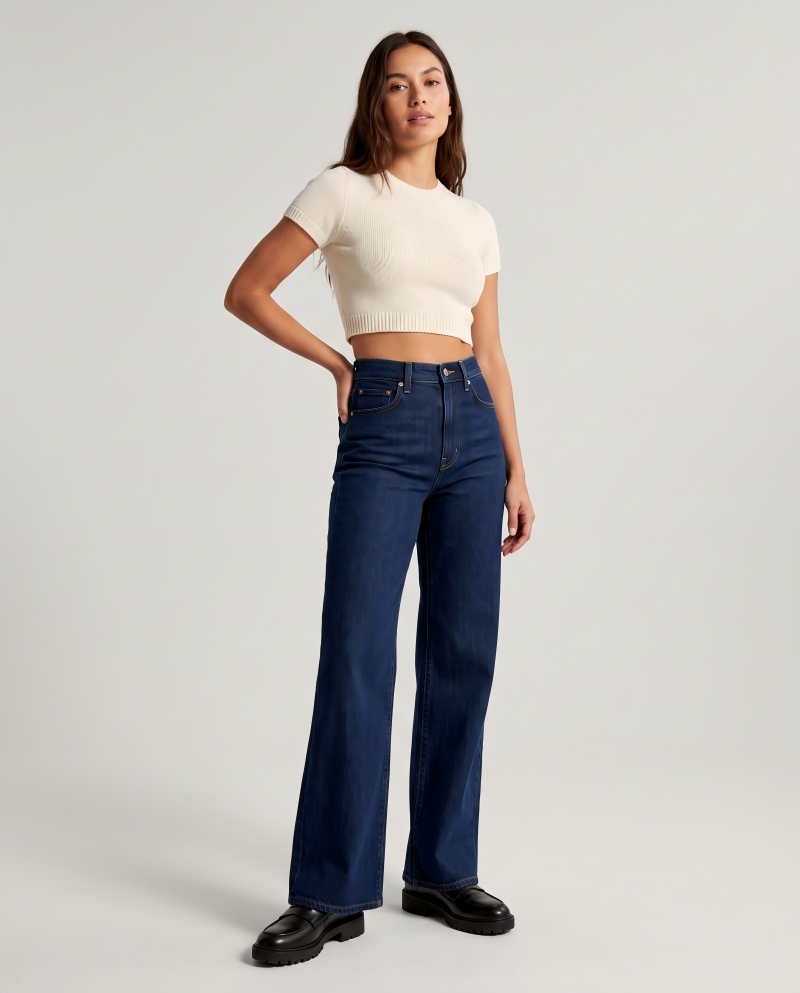
- Wide-leg + cropped top: the height formula — a cropped top with high-rise wide-leg improves proportions instantly.
Matching Pants and Shoes
- Straight pants: boots, sneakers, or loafers all work; let the hem rest on the shoe.
- Tapered pants: roll the hem to flash the ankle — sneakers or canvas shoes read sharpest.
- Wide-leg pants: chunky soles or loafers — the sole needs weight to carry the wide hem.
- Cuffed joggers: runners and trainers; the cuffed ankle carries the look.
FAQ
Q1: What colors for fall pants?
Earth tones (khaki, olive, camel) plus darks (black, navy, charcoal) are the fall palette — versatile and in season.
Q2: My pants are too long. What do I do?
Hemming is the best money you’ll spend. Straight hems can rest on the shoe; tapered can be cuffed; wide-leg should never drag.
Q3: Can shorter frames wear wide-leg?
Yes — high-rise with a hem that isn’t too long, paired with chunky or same-color shoes to avoid the height-shrink effect.
Q4: What pants for the fall commute?
Dark straight-cut is the safest, with a shirt or knitwear; casual offices can add tapered and chinos.
Q5: Can I wear joggers out?
Yes. Choose structured fabric and a clean cut, pair with a hoodie or jacket, and it’s a complete urban-casual look.
Conclusion and Related Reading
The logic of fall pants is simple: pick the silhouette by body type, the style by occasion, and the shoes by proportion. Don’t chase trends — figure out your body and your days first, then pick the matching cut, and the whole outfit levels up. Pants are the foundation; when the foundation is right, anything on top looks good.
Related Reading: