A Tee’s Real Difference Is Invisible
Two white tees can look identical. One stretches out after three washes; the other still looks new after three years. The difference usually isn’t the brand — it’s the fabric. GSM, thread count, fiber content: the numbers on the tag are what decide how long a tee lasts and how good it feels. This guide breaks them down so you can stop buying tees by guesswork.
Table of Contents
- Step 1: Meet the Four Common Fabrics
- Step 2: Understand GSM and Thread Count
- Step 3: Pick Fabric by Scenario
- FAQ
Step 1: Meet the Four Common Fabrics
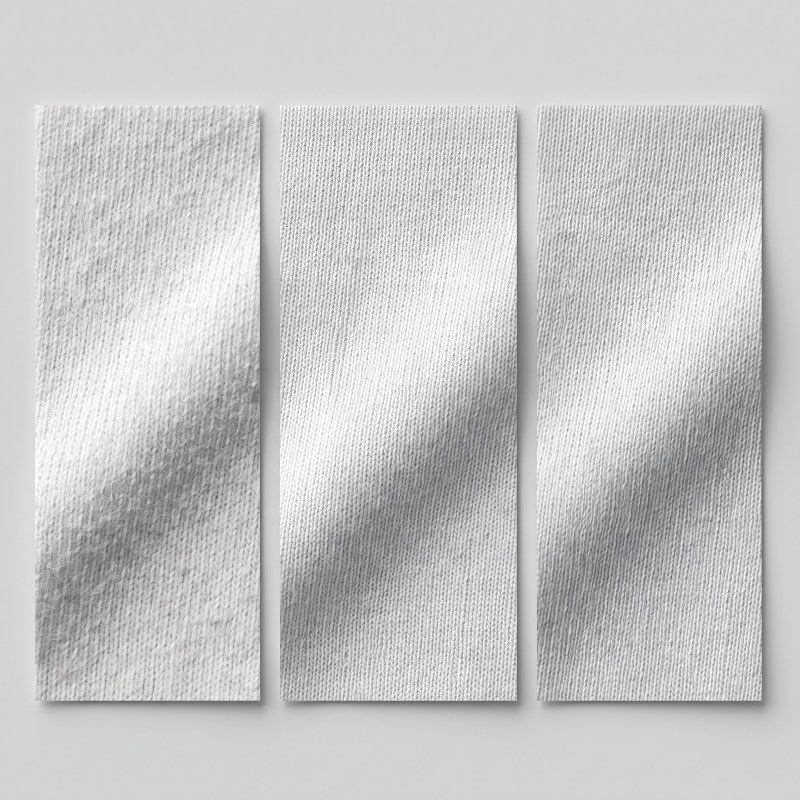
- 100% Cotton: breathable, soft, and gets softer with every wash — the classic tee fabric. Downsides: slight shrinkage and wrinkling, so it needs reasonable care.
- Organic Cotton: grown without synthetic pesticides or fertilizers. Gentler on your skin and lighter on the environment. Feels similar to regular cotton, costs a bit more.
- Cotton-Polyester Blend: usually a 60/40 or 65/35 cotton-poly mix. The polyester adds wrinkle resistance, quick drying, and shape retention — a solid pick for sports and hard wear.
- Bamboo / Modal: smoother and drapeier than cotton, with a cool hand-feel. Great for close-fitting or summer pieces, though less durable and structured.
Step 2: Understand GSM and Thread Count
GSM (grams per square meter) is the core number for a tee’s weight and quality:
- 140-160 GSM: light and airy. Great for summer or as a base layer.
- 180-200 GSM: mid-weight. The balanced choice for year-round wear.
- 220 GSM and up: heavyweight. Structured, drapey, and the most durable — holds its shape when worn alone.
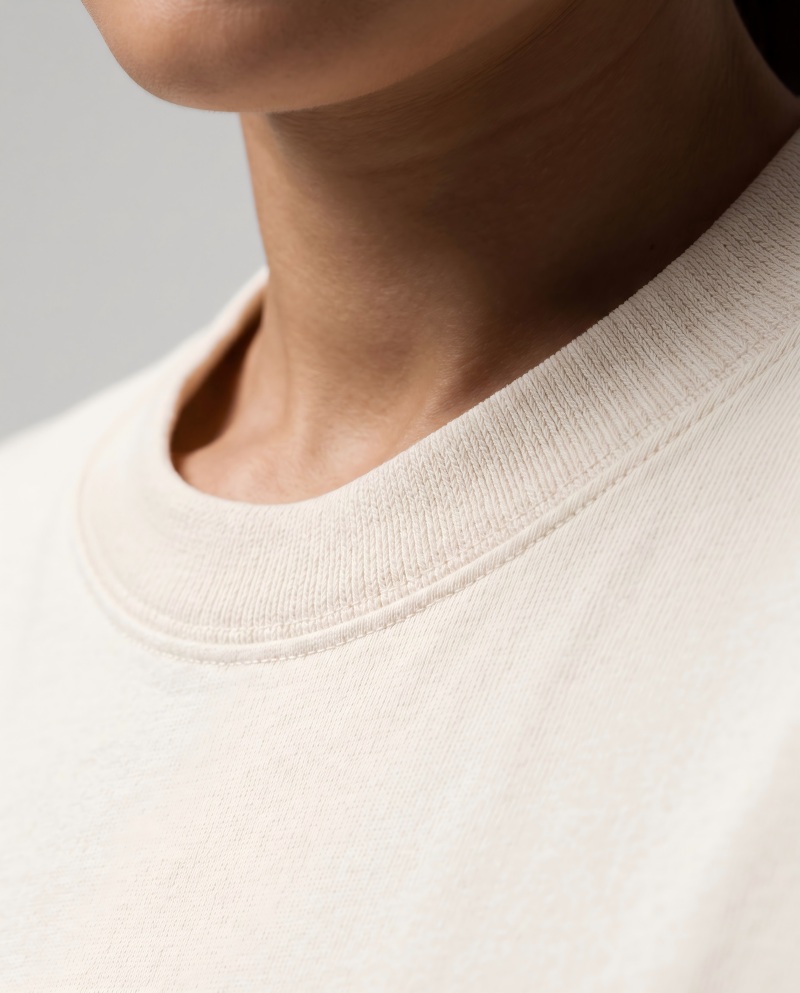
Thread count shapes the feel: higher count means smoother, finer fabric. High-count heavyweight is how you get “thick but not coarse” — our Wingtu Apparel Heavyweight Tee (220 GSM) uses high-count cotton for exactly that, plus a reinforced collar that keeps its shape in the wash.
Step 3: Pick Fabric by Scenario
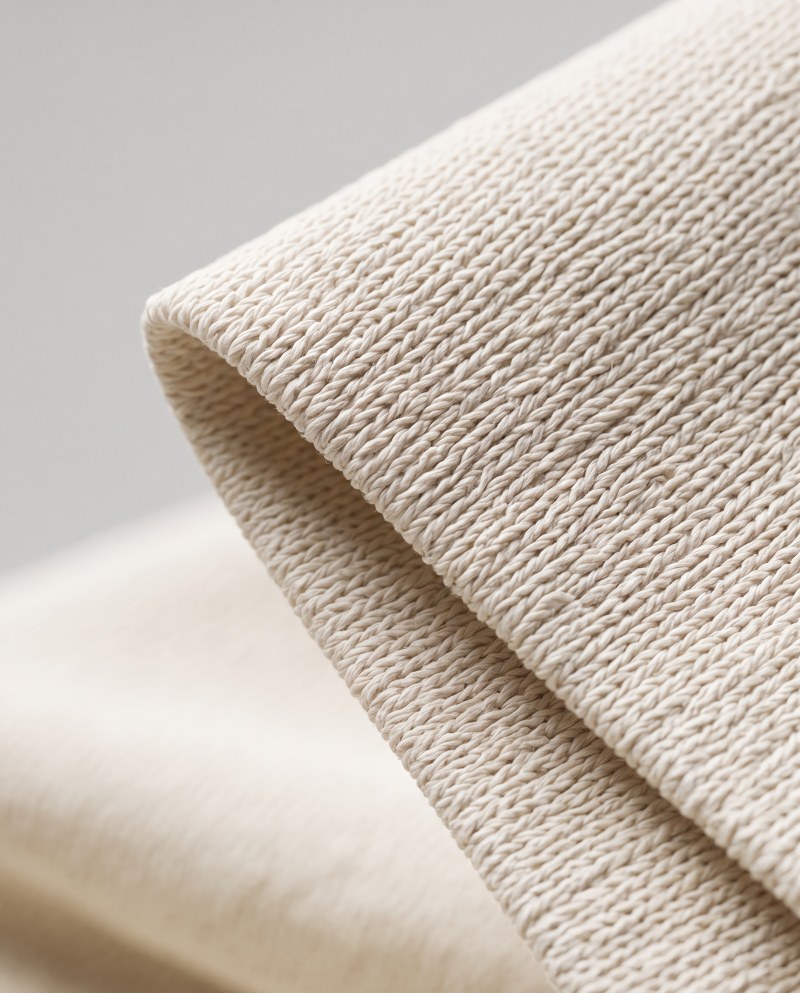
- Daily commute: 100% cotton at 180-200 GSM — breathable, skin-friendly, crisp.
- Sports and heavy sweating: cotton-poly blend — quick-dry, wrinkle-resistant, machine-wash friendly.
- Transition layering: 220 GSM heavyweight cotton — substantial without bulk under a hoodie or jacket.
- Sensitive skin: organic cotton first, to reduce chemical residue and irritation.
In short: check GSM and fiber content, then match them to your use case. If you want low-maintenance and long-lasting, a 220 GSM cotton or organic cotton tee is the safe call.
FAQ
Q: Is a heavyweight tee always better than a light one?
A: Not always. Heavyweight is better for wearing alone, layering, and colder seasons; light tees breathe better in summer. Choose GSM by use.
Q: Does 100% cotton always shrink?
A: Most cotton shrinks slightly on the first wash. If it bothers you, look for pre-shrunk fabric — or go one size up per our size guide.
Q: Do organic and regular cotton feel different?
A: The hand-feel is close; the difference is in the growing process. For sensitive skin, organic is usually gentler.
Q: Is a blend a “cheap” sign?
A: No. Cotton-poly blends genuinely win for sports and wrinkle resistance. What matters is the ratio and whether it fits the use.
Q: How do I tell if a tee will last?
A: Check three things: whether the GSM is up to standard, whether the collar is reinforced, and whether the stitching is clean. Pass all three and it’ll likely last years.
Conclusion
Read the fabric specs first, then match them to your lifestyle, and you won’t go wrong. Daily durability → heavyweight cotton; sports and quick-dry → cotton-poly; sensitive skin → organic cotton. If you’re after a high-count heavyweight tee, check our early fall collection — and for styling ideas, see the summer-to-fall transition style guide.