In recent months, whether walking into the industrial park in Yiwu or browsing overseas e-commerce news, AI seems to have become the only “stepping stone.” From virtual models generated with a single click to new design sketches produced in seconds, these tools have created an unprecedented boom on screens.
But as someone who has worked in this industry for many years, I always feel a sense of unease beneath this boom. A few days ago, a friend who runs an independent brand complained to me: his independent website uses the most advanced AI virtual fitting plugin, maximizing visual effects, but the return rate hasn’t decreased as expected. Especially regarding sizing and fit, customer feedback remains the same old story—”It looks beautiful, but it doesn’t fit.”
This made me reflect: when everyone tries to reshape fashion with algorithms, are we overlooking some of the most fundamental truths? Digitalization is indeed an accelerator of the future, but the soul of clothing ultimately lies in the moment of physical contact between the garment and the human body. That subtle “tactile sensation” is a boundary that cold logic cannot cross.
The Known Boundaries of Digital Fashion: AI is Indeed Fast
Undeniably, AI’s efficiency is revolutionary.

In the past, refining a moodboard might have required scouring magazines and resource libraries, followed by days of hand-drawn drafts by designers. Now, with precise instructions, AI can deliver hundreds of options as quickly as pressing a shutter button. This rapid visual iteration significantly shortens the initial design uncertainty period.
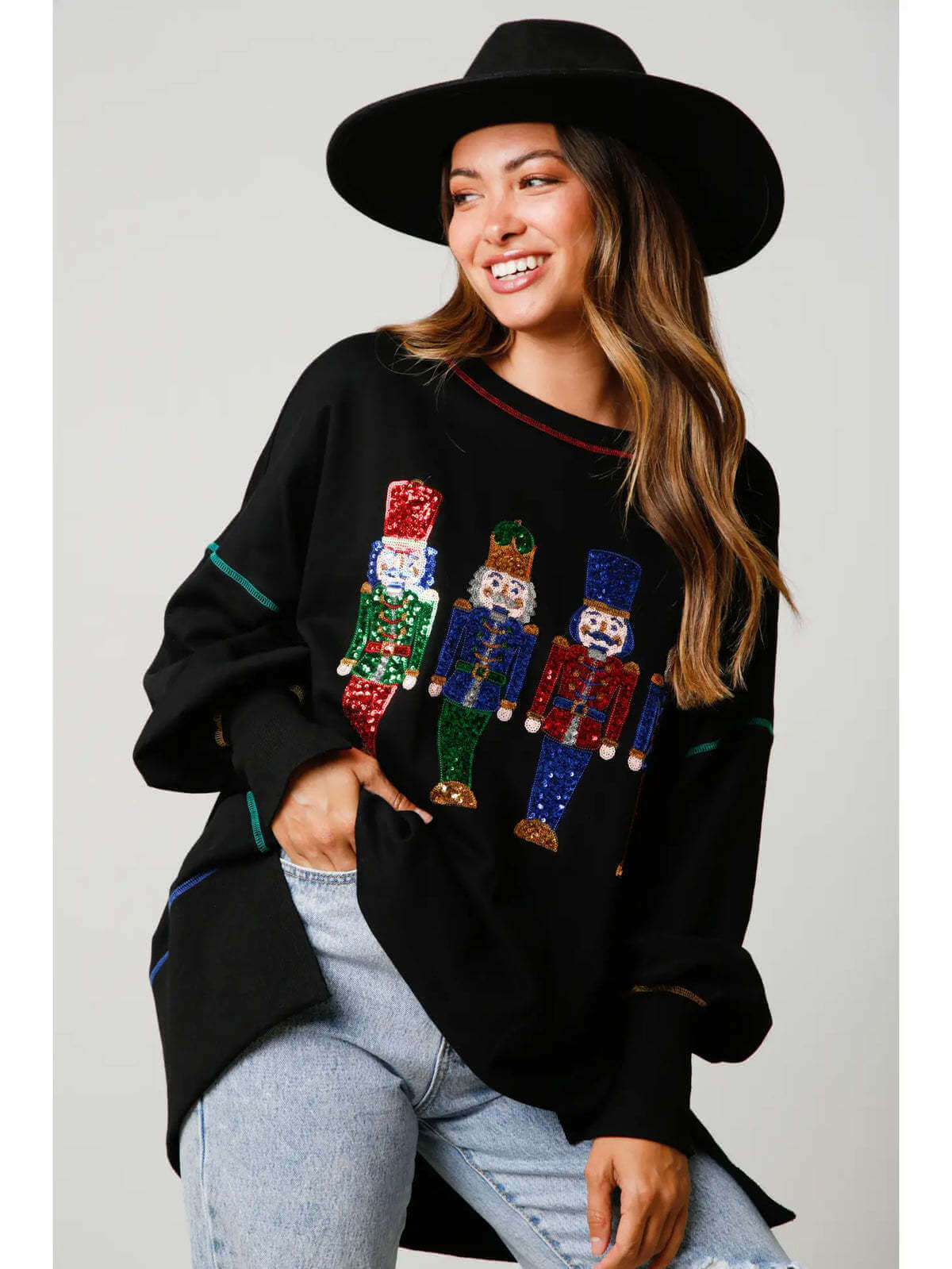
For small and medium-sized enterprises or independent brands that need to control costs, virtual models are a lifesaver. Previously, shooting a decent campaign involved considerable expenses for photography, models, and makeup. Now, software can synthesize highly textured visual effects, significantly lowering the barrier to entry for products launching in the global market. Coupled with AI’s ability to capture massive amounts of data, it acts like a market thermometer, telling us what colors and elements are trending this year.
However, all of this is still largely theoretical. The “Real Boundaries” Unreachable by Digitalization: The Soul of Clothing
Once removed from the screen and placed in the real-world context of wearing clothing, the limitations of AI become glaringly apparent.
- The Physical Disappearance of Touch
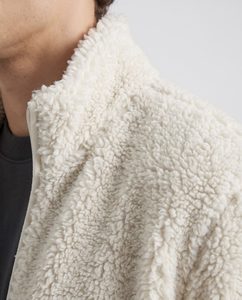
AI can simulate the drape of silk, even deceiving your eyes with light and shadow. But it can never tell you the cool, refreshing feeling of water flowing over your fingertips when your palm touches modal; nor can it simulate the warm, smooth, and subtly powerful feel of heavy silk against the skin. Clothing is our “second skin,” and this interaction of warmth and coolness, softness and hardness, roughness and delicacy is key to whether a customer ultimately “places an order and keeps it.” - Static Algorithms vs. Dynamic Humans
Most current 3D modeling is based on idealized standard mannequins—perfectly proportioned, static digital figures. But real people are alive. When a person walks, their back muscles subtly undulate; when they sit, their abdomen naturally relaxes. This dynamic variable is the “living art” that most algorithms currently struggle to capture. Algorithms strive for absolute mathematical balance, while clothing aims for freedom of movement and comfort. - The “Irrational Metaphysics” of Pattern Making
There’s a reason why experienced pattern makers are highly valued. Sometimes, AI might suggest shortening the waistline based on proportions. But a seasoned pattern maker might subtly add a seemingly random seam at the waistline, or adjust the darts by 0.5 centimeters, instantly making the wearer appear slimmer. This intuitive fine-tuning of body proportions isn’t a simple calculation, but an aesthetic compensation based on years of observing countless people. AI hasn’t yet mastered this artistry.
How to Build a Competitive Advantage Using “Boundary Sense”?
In today’s world where AI-generated patterns are readily available, mediocre visuals are no longer a barrier. True competitiveness is flowing back to both ends:
Structure trumps pattern: When everyone can generate exquisite prints, companies with unique, original pattern development capabilities become scarce resources. If you can develop a tailoring structure better suited to Asians or specific groups, that’s the moat that AI can’t steal.
Technology as an aid, not a replacement: Smart brands will use AI at the forefront—for quick communication of samples and adjustments to the overall direction. But in the most crucial stages of sampling and live fitting, we must insist on meticulous human craftsmanship. This commitment to the quality of mass-produced goods is the “anchor” ensuring a long-term reputation.
Building deeper trust: When communicating with global buyers, we need to show them more than just “we have AI.” We need to tell them that while pursuing efficiency, we still retain our reverence for traditional craftsmanship. This professionalism of human-machine collaboration is the source of brand premium.
The future of fashion: Digitally assisted professionalism
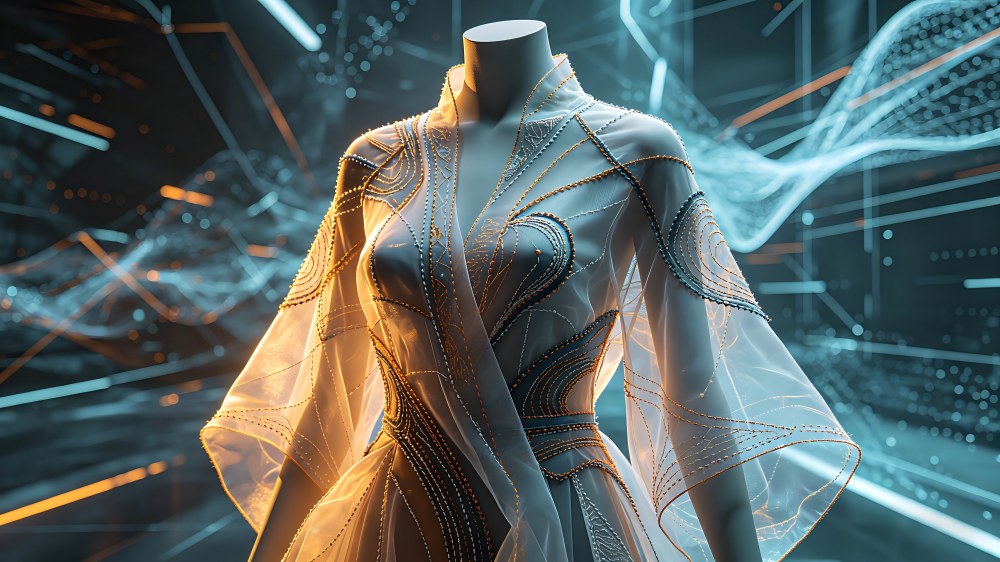
Ultimately, AI is a powerful accelerator for the fashion industry. It helps us eliminate redundancy and expand the boundaries of imagination. But what truly constitutes the core value of a brand is always the continuous innovation rooted in fabric technology and the craftsmanship of relentless pursuit of excellence in tailoring.
We don’t need to blindly chase every technological trend, nor should we worry about being replaced. Instead, we should learn to intelligently utilize technology, making the originally cumbersome selection and customization processes more transparent. Ultimately, we are still serving living, breathing people, their instinctive desire for beauty, comfort, and tactile sensation.
After all, even the most perfect algorithm cannot compare to the sense of security and warmth a garment draped over one’s shoulders brings.