The transition from winter to spring in regions like Europe and North America involves unpredictable temperature swings. Market data from street-style trends in cities like Copenhagen shows a shift from light blazers to structured, heavy-weight hoodies paired with vests (gilets). This setup handles the “sharp bite” of 55°F (13°C) mornings. For wholesalers, the goal is moving beyond basic loungewear into pieces that function as standalone outerwear.
Print Design and Retail Differentiation
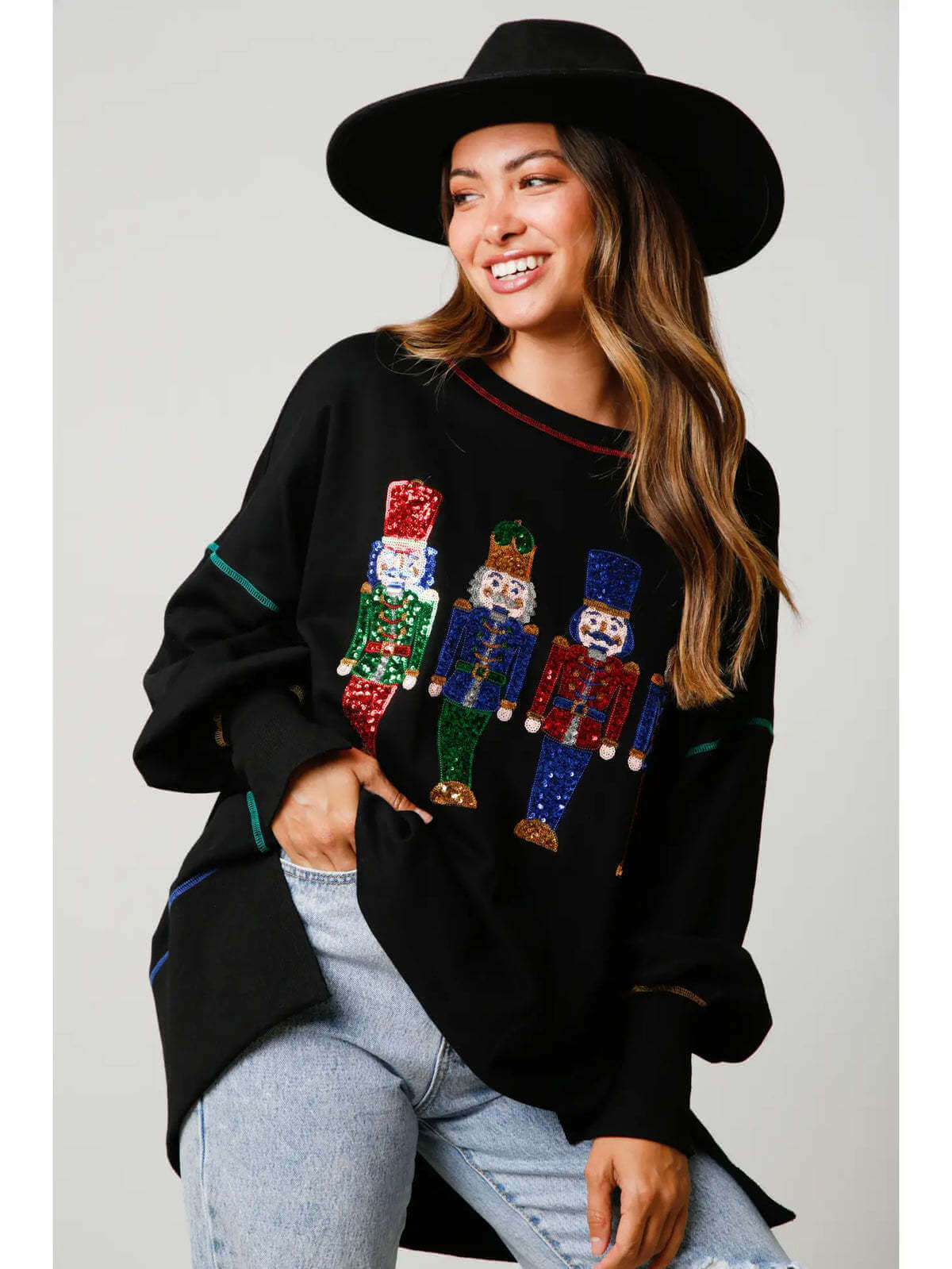
Standard “logo-on-chest” or “California Surf” graphics are saturated in the mass market. Current consumer behavior suggests a preference for hoodies that function as a visual “conversation starter.”
Abstract Styles: Prints that mimic palette-knife paint strokes.
Geometric Patterns: Designs inspired by urban street art.
Small Details: Whimsical motifs placed on cuffs or hoods to encourage close-up inspection.
These designs allow retailers to offer a “point of difference.” When a product looks intentional, it helps justify shelf space against generic, low-cost competitors.

Material Specs: The Spring Sherpa
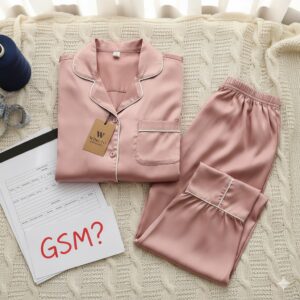
Sherpa is often labeled as “Winter Only,” but material science allows for seasonal adjustment. Using a lower GSM (Grams per Square Meter) makes the fabric functional for spring.
Comparison of Sherpa Fabric Types:
| Feature | Winter Sherpa | Spring Sherpa |
| Weight | 400+ GSM (Heavy) | 260-300 GSM (Mid-weight) |
| Structure | Windproof/Heat retention | Breathable/Mesh-backed |
| Use Case | Stationary/Extreme cold | Active/Transitional weather |
In a physical store, Sherpa is a “tactile” fabric. Customers often touch the material before checking the price tag. This physical interaction can lead to higher conversion rates for casual wear.
Business Impact for Wholesalers
Data on sell-through rates indicates that “double duty” clothing—items that work for both a creative office and a weekend run—has higher turnover.
Inventory Life: These items sell from March through June.
Market Position: Unique prints prevent direct price wars with big-box basic fleece.
Customer Loyalty: Soft fabrics like Sherpa or high-cotton blends trigger a “security” response in buyers, which may lead to repeat purchases.
Conclusion
The 2026 spring market favors quality and personality over disposable basics. As the lines between “home clothes” and “street clothes” disappear, wholesalers stocking mid-weight, high-concept layers are positioned to meet the current demand for versatile utility.
FAQs
Q: Is Sherpa too hot for late spring?
A: No, provided it is 260-300 GSM. This weight is designed for the 55°F to 65°F (13°C-18°C) range.
Q: Do the prints peel off?
A: We use digital and silk-screen bonding. The ink enters the fiber rather than sitting on top. It stays intact through standard machine drying (though air-drying is always safer for fabric longevity).
Q: How long does an order take?
A: Standard wholesale lead time is 3-4 weeks. This fluctuates based on peak season volume.
Facts List
Weather Data: Spring temperatures in Northern Europe/USA frequently fluctuate between 10°C (50°F) and 18°C (64°F).
Fashion Trend (Copenhagen): Observed street-style shift toward “structured hoodies” as a replacement for traditional transitional coats.
Fabric Measurement: GSM (Grams per Square Meter) is the industry standard for measuring fabric thickness/weight.
Material Spec: 400+ GSM is industry-standard for winter fleece; 260-300 GSM is the standard for mid-weight/transitional layers.
Printing Technology: Digital and silk-screen printing are the two primary industrial methods for long-lasting garment graphics.
Consumer Psychology: Tactile feedback (touching fabric) is a documented factor in “Sensory Marketing” that influences garment purchase decisions.
Supply Chain: 3-4 weeks is the standard industry lead time for mid-sized wholesale apparel manufacturing and shipping prep.
Market Saturation: “Logo-wear” and “Basic Fleece” are classified as high-competition, low-margin commodities in B2B reports.