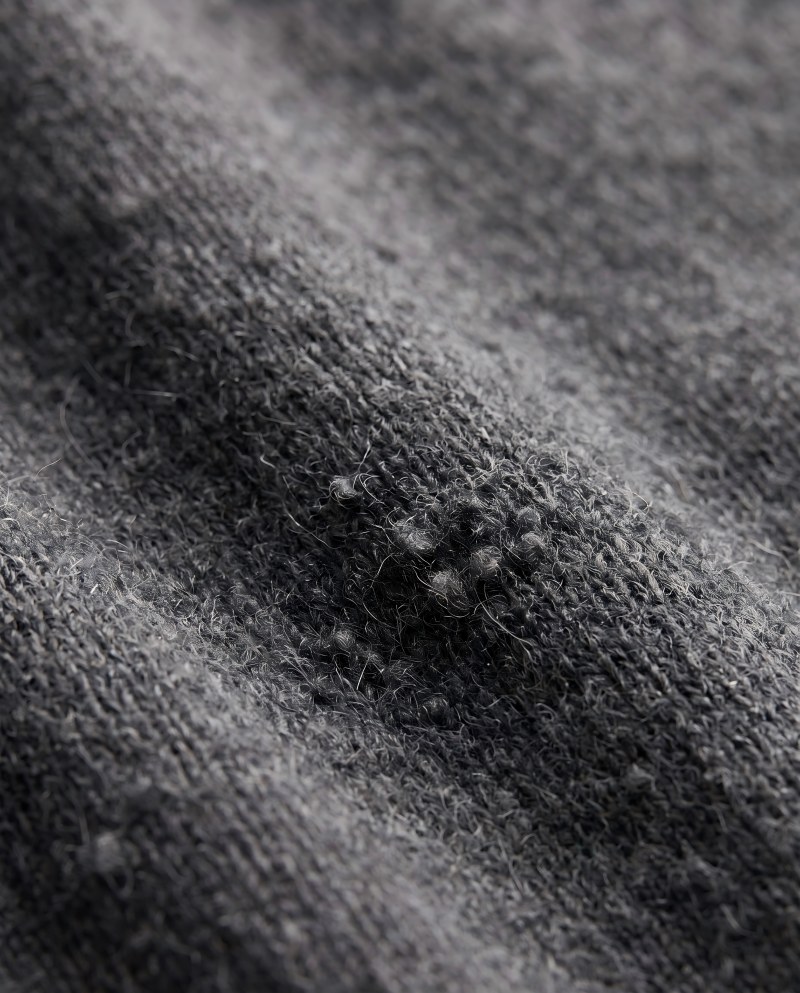
Even the best sweater eventually hits the same problem — pilling. Little fuzz balls gather under the arms, at the cuffs, and wherever a backpack strap rubs, instantly making the piece look old. A lot of people assume pilling means “poor quality,” but it’s actually a normal part of knit fabric — the trick is how you care for it. Here’s a full sweater-care playbook, from removing pills and preventing them to washing and repairing, so your knits last years longer.
Why Sweaters Pill
Pilling is fundamentally about fiber friction: the loose little fibers on a knit’s surface tangle into balls under repeated rubbing — a backpack strap, a desk, your arm swinging. That’s why pills cluster in the highest-friction spots: underarms, cuffs, hems, and the chest. The finer and shorter the fiber (think cashmere), the more it pills; coarser, tightly twisted fibers resist pilling. Pilling doesn’t equal poor quality, but fabric and twist do affect how much it pills.
How to Remove Pills Properly
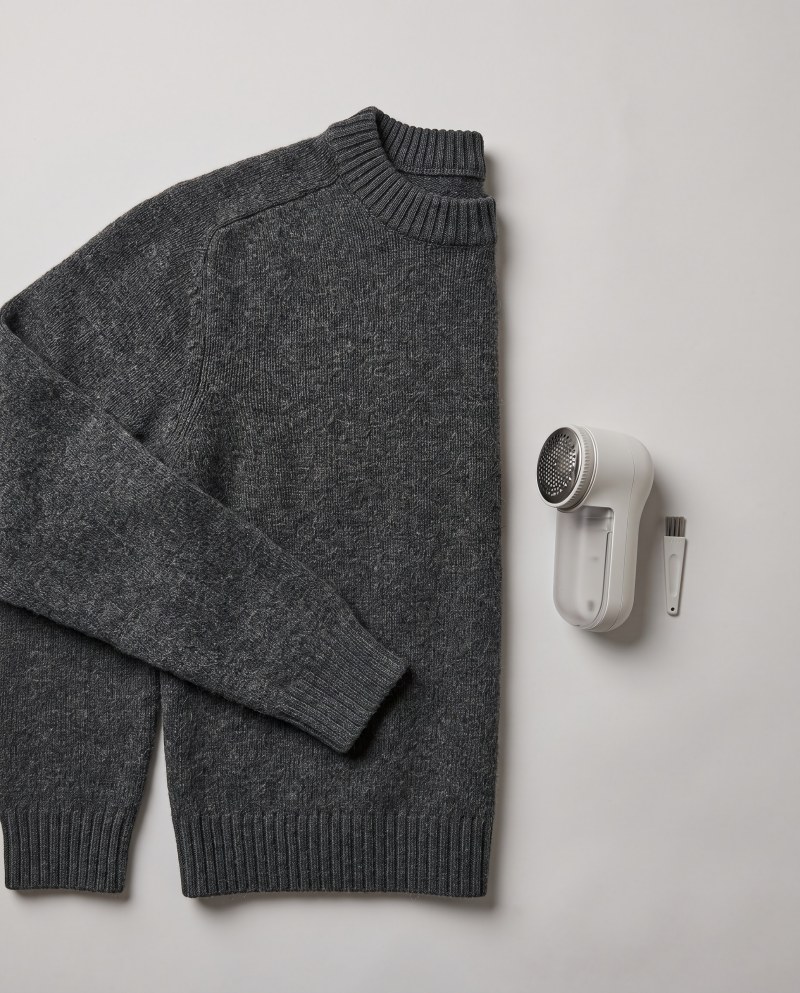
The safest tool is a fabric shaver: lay the sweater flat on a smooth surface and shave gently in one direction until the pills clear. Three things to remember: test on an inconspicuous spot first, don’t press hard (or you’ll cut the fabric), and move in one direction along the grain. No shaver? A razor can work with a light touch, but be extra careful. Never pull pills off by hand — that yanks the fibers out at the root and makes it pill even more.
How to Reduce Pilling
- Pick the right fabric: high-twist, high-yarn-count fabrics resist pilling; blends with a sensible synthetic ratio also wear better.
- Reduce friction: pad the contact points when wearing a backpack, and avoid long hours leaning on a desk or table.
- Rotate your sweaters: don’t wear the same one for days on end; give the fibers time to recover.
- Store it right: fold, don’t hang — hanging stretches the shoulders and adds localized friction.
Correct Washing and Care
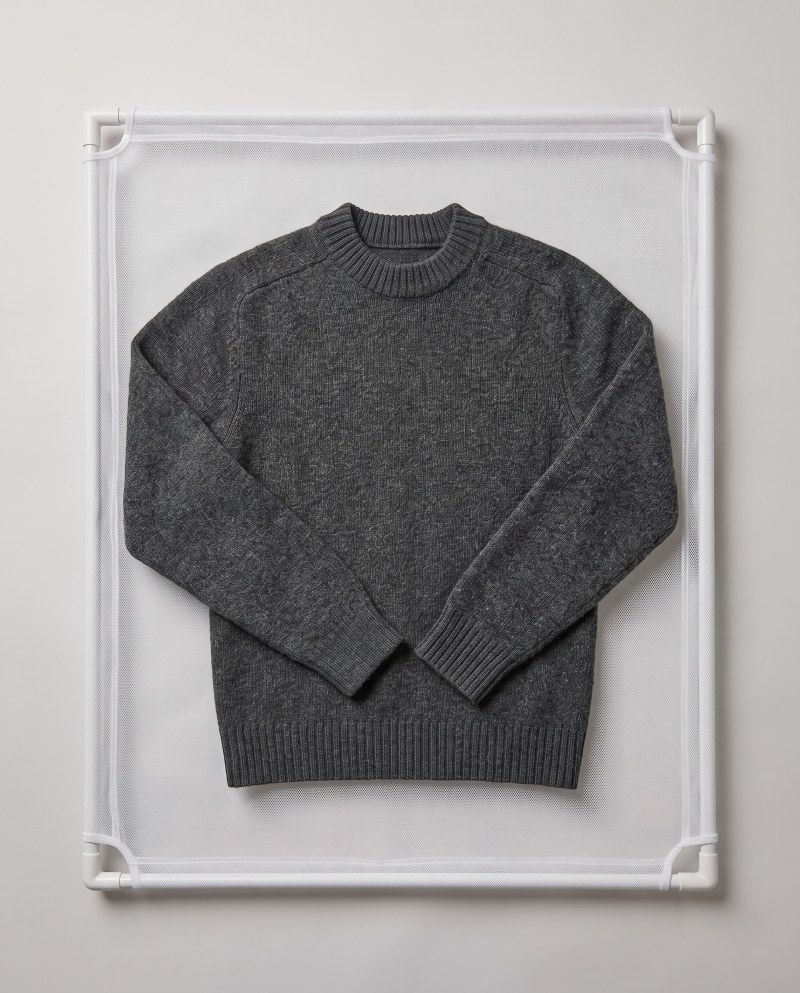
Washing is a key part of pill prevention. Hand-washing is safest: cold water, mild detergent, and gentle pressing — no rubbing or wringing. If machine washing, always use a gentle cycle, cold water, a laundry bag, and wash inside-out. Dry flat afterward — never hang (it stretches and deforms) and never high-heat dry (it shrinks and pills more). Make sure it’s fully dry before storing, and add a moisture absorber to avoid mildew.
Fixing Snags and Pulls
Don’t rush to cut a snagged thread — cutting causes runs and holes. The right move is to use a fine needle or crochet hook to gently pull the loop back through to the wrong side, then smooth it flat. If a small hole has already formed, stitch it closed from the back with matching thread, or use a darning technique. In daily wear, avoid sharp objects to reduce snags in the first place.
FAQ
Q1: Is pilling a sign of poor quality?
Not exactly. Pilling is normal for knit fabric — any natural fiber does it. But finer fibers and looser twist pill more easily.
Q2: Why does cashmere pill so much?
Cashmere fibers are fine and short, so they tangle into balls more easily under friction. It’s a trait of the fiber, not poor quality — just de-pill regularly.
Q3: Will a fabric shaver damage my clothes?
Not if used correctly. The keys: don’t press hard, test on a hidden spot first, and move in one direction along the grain.
Q4: Can I machine-wash sweaters?
Yes — gentle cycle, cold water, laundry bag, inside-out. Hand-washing is safer, especially for cashmere and wool.
Q5: How should I dry a sweater?
Flat drying is safest. Never hang or high-heat dry — it stretches, shrinks, and increases pilling.
Q6: What do I do about a snag?
Use a fine needle to pull the loop back to the wrong side, don’t cut it. Small holes can be sewn closed from the back with matching thread.
Conclusion & Further Reading
Sweater care comes down to three things: de-pill often (never by hand), reduce friction, and wash correctly (cold hand-wash or gentle machine wash + flat dry). Pilling is nothing to fear — cared for properly, a good sweater lasts many years. Wingtu Apparel’s fleece hoodie and crewneck sweatshirt use more pill-resistant fabric and are easier to care for — practical, low-maintenance fall picks.
Further reading: