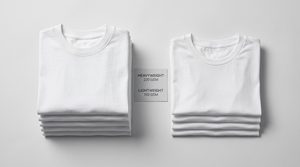
If you’ve ever stood in front of two tees that look identical but feel completely different, you know the struggle: one is thick and structured, the other thin and silky, and they don’t cost the same either. That’s not a mystery — it all comes down to fabric weight, usually printed as a GSM number. This guide breaks down how heavyweight and lightweight tees compare across fabric, feel, and durability, so next time you can pick the right one at a glance.
At a Glance: Heavyweight vs Lightweight
| Heavyweight Tee (200–260 GSM) | Lightweight Tee (120–160 GSM) | |
|---|---|---|
| Feel | Thick, structured, has weight to it | Thin, smooth, almost airy |
| Fit | Holds its shape, clean shoulder lines | Drapes close to the body |
| Durability | Holds up wash after wash | Loosens up over time |
| Season | Spring and fall single layer, winter base | Summer single layer, inner layer |
| Best for | Commuting, streetwear, layering | Home, workouts, hot days |
| Price | Slightly higher | Budget-friendly |
What Actually Differs
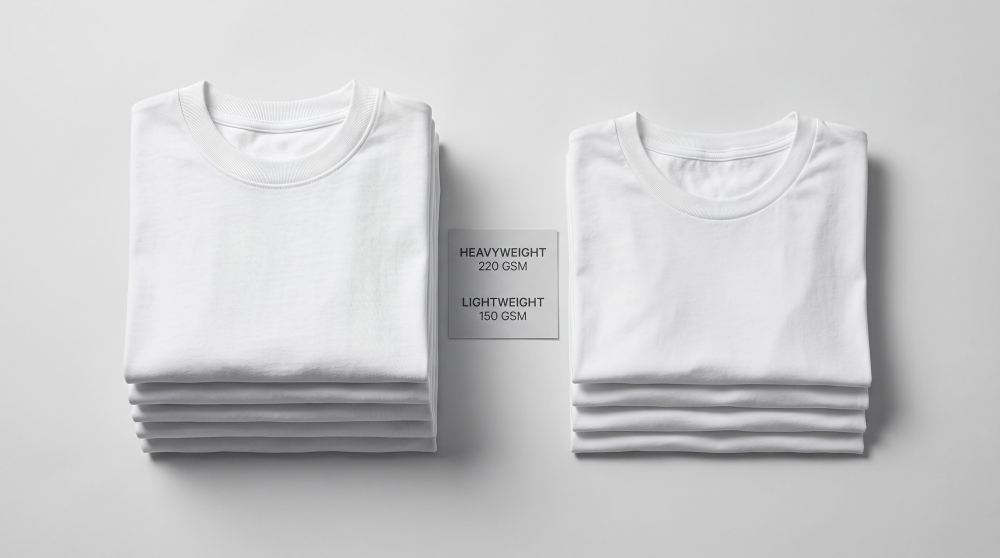
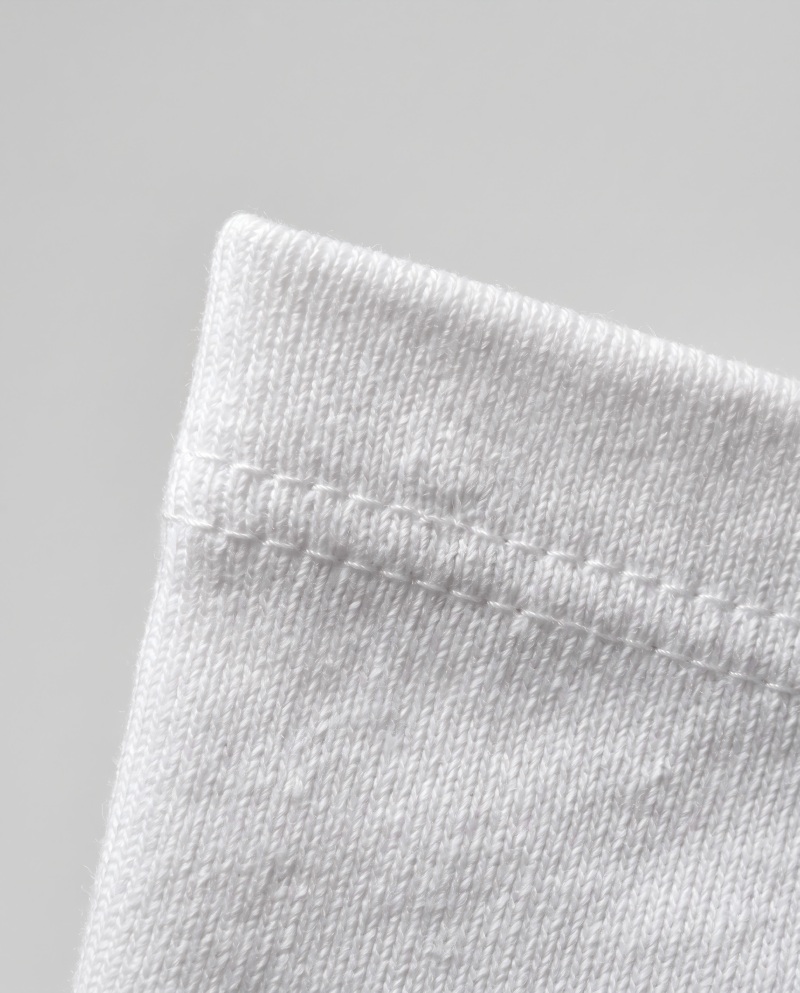
GSM drives half the experience. GSM is the fabric’s weight per square meter — the higher the number, the denser the cloth. A heavyweight tee around 220 GSM keeps its shape on its own: the shoulders don’t sag, and the collar stays crisp even after dozens of washes. A lightweight tee around 150 GSM leans into breathability and softness. It’s great in summer, but thin fabric can’t hold a silhouette as well, and it tends to relax and stretch out with wear.
They’re built for opposite seasons. Above 30°C, a heavy tee gets stuffy fast — the light one wins. Come spring and fall, though, the heavier fabric absorbs the morning chill and layers without adding bulk. So don’t expect one shirt to cover the whole year; decide based on the weather you actually live in.
The look is completely different too. Same dropped-shoulder cut, but heavy fabric holds a crisp line for that streetwear edge, while light fabric hugs your frame and reads cleaner and more athletic. A lightweight tee also makes a great base layer — it tucks into your waistband without bunching.
Pros & Cons
Heavyweight Tee
- Pros: structured and sharp, durable, works across seasons, perfect for layering
- Cons: runs warm in summer, pricier, not everyone loves the weight
Lightweight Tee
- Pros: cool and breathable, drapes nicely, affordable, invisible under other layers
- Cons: stretches out, can be see-through in light colors, too thin for cooler days
Who Should Pick Which
- Layering fans, streetwear heads, commuters: go with the heavyweight tee (220 GSM). The structured shoulder line keeps you looking sharp, and it layers under hoodies and jackets without puffing up.
- People who run hot, homebodies, gym-goers: pick the lightweight tee for its drape and all-day comfort in warm weather. It’s nearly invisible under a shirt or jacket.
- Want both? Wear the light one in summer and the heavy one the rest of the year. One of each covers the full calendar — that’s honestly the easiest setup.
Final Verdict
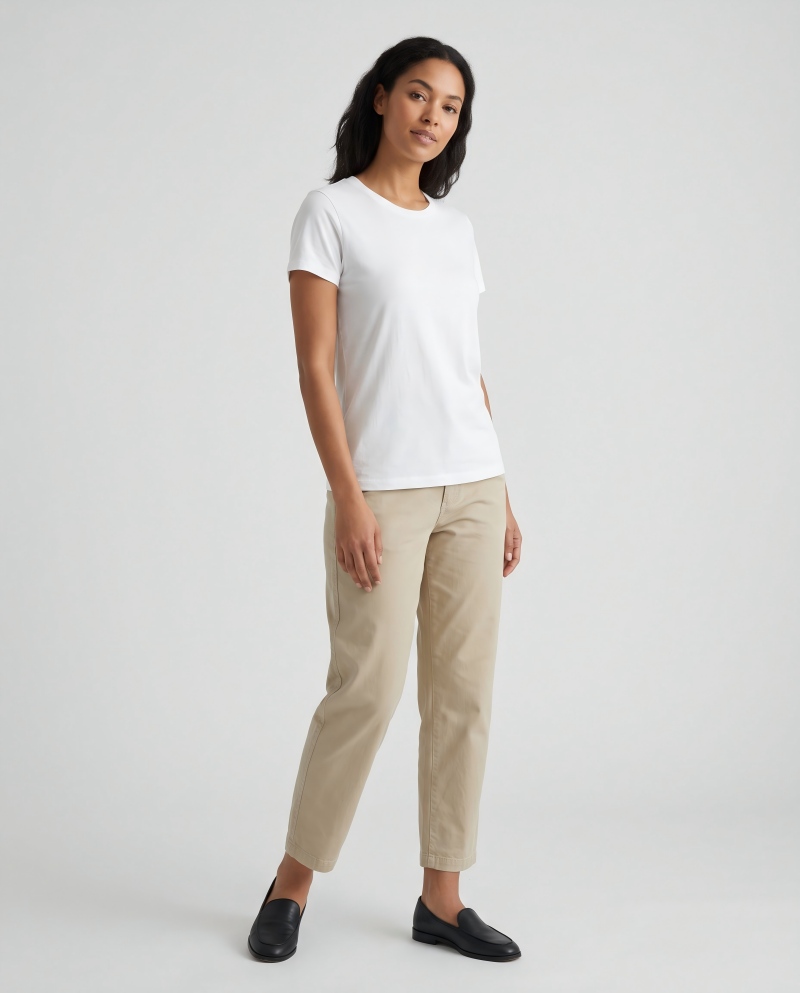
There’s no objectively better weight — there’s just the right one for your routine. If you run hot and want breezy comfort, go lightweight. If you want structure that lasts, grab a heavyweight tee. Wingtu Apparel makes both — a heavyweight tee (220 GSM) and a lightweight tee (150 GSM) — in the same everyday colors, so you can grab one of each and stop guessing.
Related reading: