Taking the kids out in fall is a dressing challenge: they’re active and sweat easily, while mornings and evenings swing hot and cold — too much and they overheat, too little and they freeze. Add family outings on top, and you’re juggling how everyone dresses for comfort and style. Here’s a practical family-outing outfit plan, from the basics of kids’ fall dressing to parent-child matching ideas.
The Principles of Kids’ Fall Dressing
For kids’ fall clothing, remember three principles: comfort first (they’re active, so nothing restrictive), layering for temperature swings (cool mornings, warm afternoons), and easy on and off (so you can adjust anytime). Kids feel temperature differently from adults — better to “layer thin” than “wear one thick,” so you can adapt whether indoors, outdoors, hot or cold.
Layering Is Key
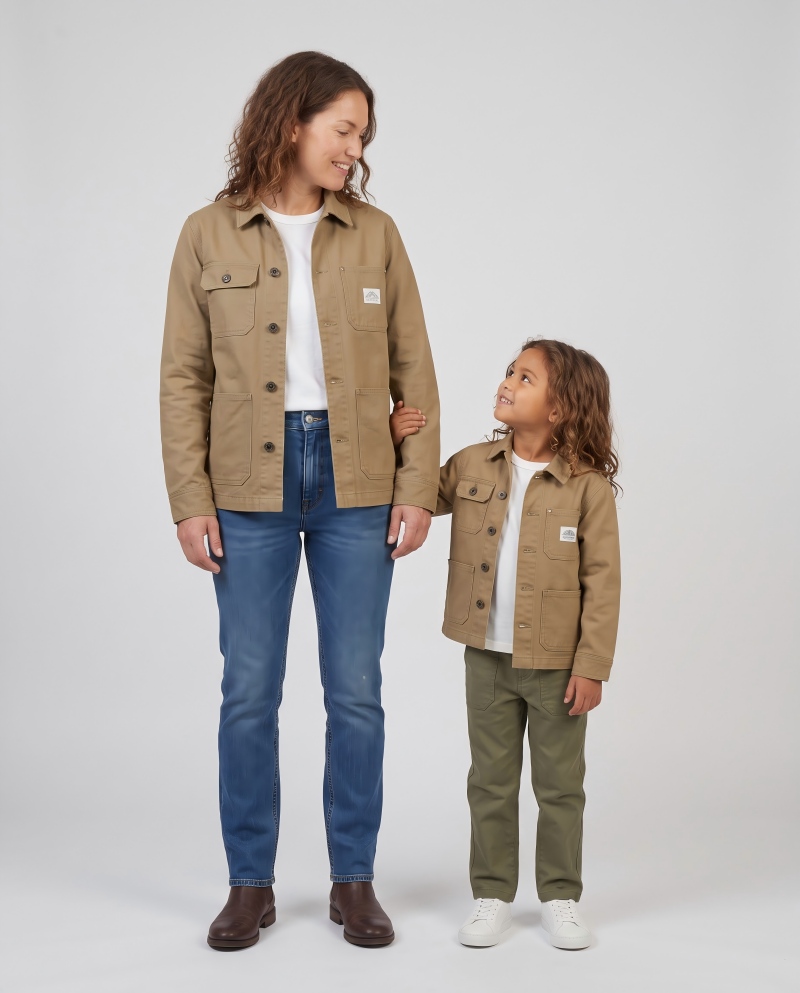
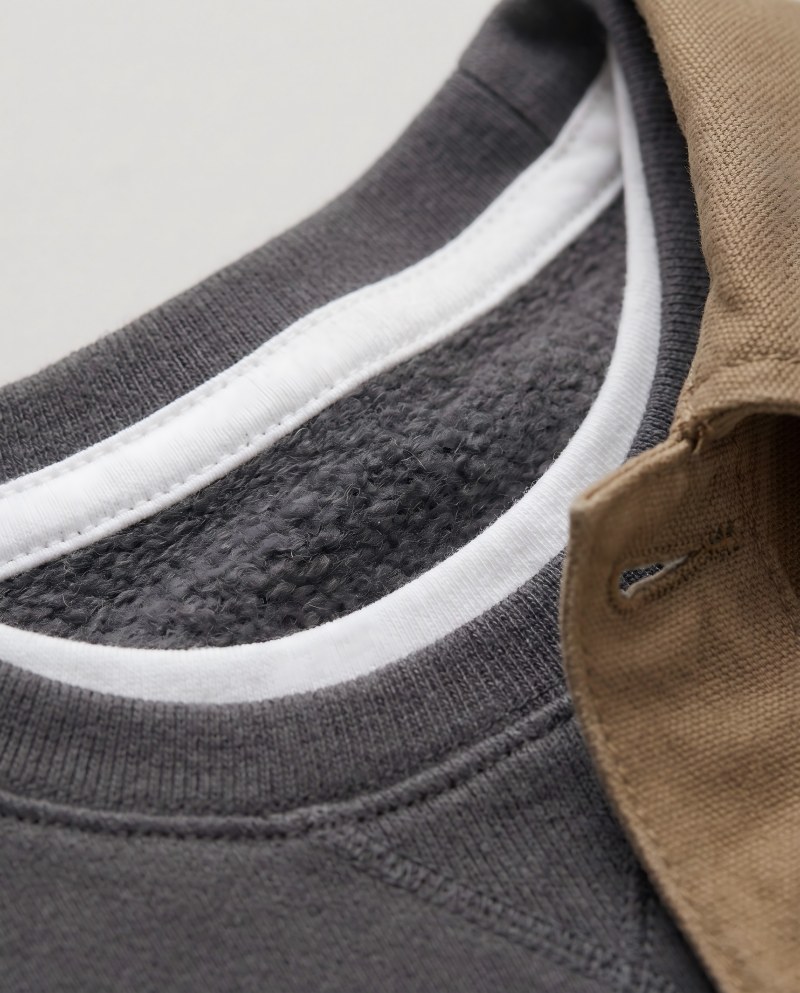
The most practical fall approach for kids is layering: a pure-cotton heavyweight tee as the base (soft and sweat-absorbing), a crewneck sweatshirt or fleece as the mid layer (warmth), and a light jacket on top (wind protection). Dress in all three to head out, shed the jacket indoors, drop the sweatshirt when it warms up — adjust anytime. Layering wins on “flexibility,” far better than one thick coat for active kids.
Fabrics: Soft and Breathable
Kids’ skin is sensitive, so fabric must be soft, skin-friendly, and breathable. Favor natural fibers like cotton and organic cotton, and avoid high synthetic content that causes sweatiness and static. A cotton tee as the base, soft fleece as the mid, and a light cotton or nylon outer. A heavyweight tee has enough weight and a clean fit, feels best next to the skin, and is a great foundation for kids’ outfits.
How to Do Parent-Child Outfits
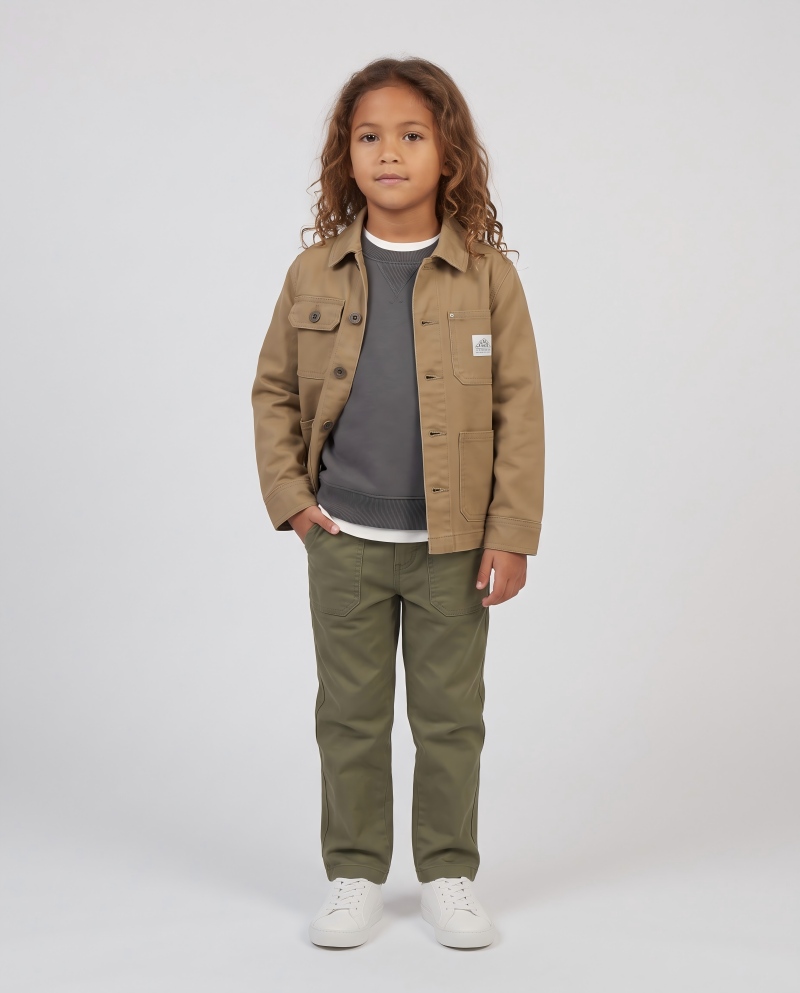
Parent-child outfits don’t need to be identical — “echo” beats “copy”: adults and kids wear the same color family (both in earth tones), or echo one element (matching hats, same-color sweatshirts, the same stripes). For example, the adult in a khaki work jacket and the kid in a khaki mini jacket; or the whole family starting with white heavyweight tees. This way you look like a family together, while each keeps their own charm and personality.
A Practical Outing Checklist
- Tops: a pure-cotton heavyweight tee + a crewneck sweatshirt (layering base), one of each.
- Outer: a light jacket or fleece — windproof, warm, easy on and off.
- Bottoms: comfortable, durable casual pants or jeans for easy movement.
- Accessories: a hat (sun and wind protection) and good walking shoes.
- Backup: pack an extra inner tee to change after the kids sweat.
FAQ
Q1: How many layers should kids wear in fall?
Use the layering method: base tee + mid sweatshirt + outer jacket, adding or removing by temperature. The rule is “layer thin,” not “one thick piece.”
Q2: What fabric is best for kids in fall?
Favor natural fibers like cotton and organic cotton — soft, skin-friendly, breathable — and avoid high synthetic content that causes sweating and static.
Q3: What if my child sweats easily?
Use a sweat-absorbing cotton tee as the base, layer so you can shed pieces anytime, and pack an extra tee to change.
Q4: Do parent-child outfits have to be identical?
No — echoing a color family or one small element (matching hats, same-color sweatshirts) is more natural and better-looking than identical.
Q5: How do we coordinate for a family outing?
Start with a shared color family (all in earth tones or all in white tees), then layer each person’s own fitting outer piece — unified with depth.
Q6: How do I choose a kids’ sweatshirt?
Soft cotton or fleece, a relaxed non-restrictive fit, and an easy-on neckline (crew is most convenient); avoid too much decoration.
Conclusion & Further Reading
The core of kids’ fall dressing is “layering + comfort”: a heavyweight tee base that absorbs sweat, a sweatshirt mid for warmth, and a jacket outer for wind — flexible for temperature swings. Parent-child outfits look best with a shared color family or one echoed element. Wingtu Apparel’s heavyweight tee and crewneck sweatshirt are pure-cotton, skin-friendly, and comfortable — the low-stress basics for kids’ fall layering and parent-child matching.
Further reading: